Domestic rabbit care — hutches, hay, pellets, grooming.
What should you know before buying Domestic rabbit care — hutches, hay, pellets, grooming?
Before buying, use this page as a shortlist and verify the final details on Amazon. Prioritize fit, current price, stock, seller, return window, warranty, and recent buyer feedback over one headline rating. That final check helps avoid stale prices, mismatched variants, and avoidable returns.

By Julian Nolan · Senior Editor
Published June 1, 2026
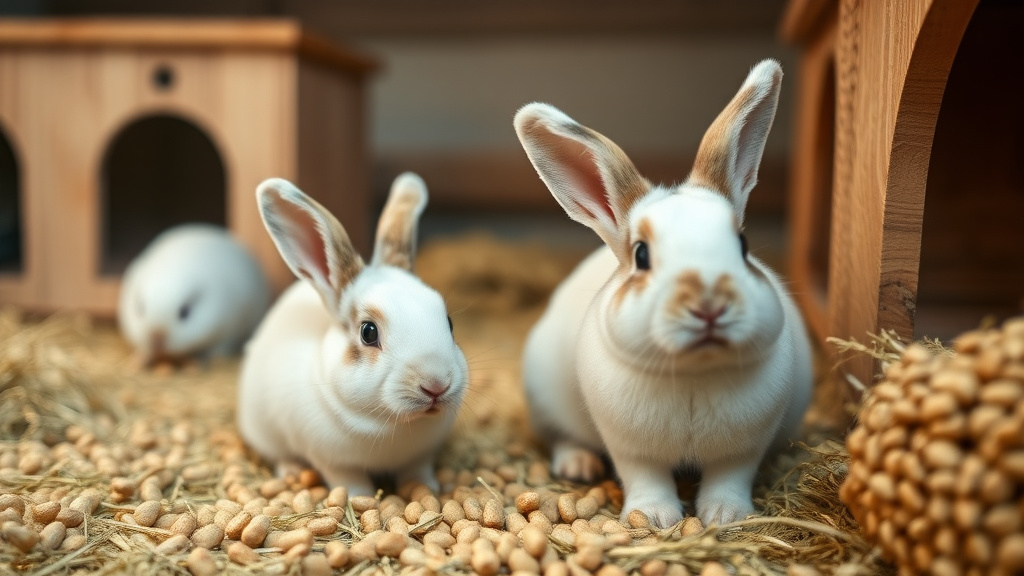
The Essentials of Domestic Rabbit Care: Hutches, Hay, Pellets, and Grooming
Caring for a domestic rabbit goes well beyond providing a cozy hutch. After years of experience and research, I’ve learned that happy indoor and outdoor rabbits require the right environment, a nutritious diet, and regular grooming to thrive. This article takes a practical look at the foundation of rabbit care—hutches, hay, pellets, and grooming—while trying to separate fact from common misconceptions.
If you’re new to rabbits or want to improve your existing setup, I’ll share what I’ve tested and what I’ve found to be the best balance between rabbit comfort and ease of care.
Choosing the Right Hutch: Space and Safety First
The hutch is more than just a bunny’s house—it’s their safe haven. A well-designed hutch provides shelter from the elements, security from predators, and enough space to hop around comfortably.
Size Matters
Rabbits are surprisingly active animals that need plenty of room to stretch, hop, and stand up on their hind legs. I’ve seen setups where hutches barely give enough space for a rabbit to turn around, which can lead to stress and even health issues such as muscle atrophy and arthritis due to lack of exercise.
Minimum space recommendations:
- Enclosed sleeping/resting area: At least 4 square feet (e.g., 2’ x 2’)
- Exercise run (outdoor or indoor): Minimum 8 square feet
This often means pairing a cozy hutch with a secure run or playpen for daily exercise time. A common mistake is to keep rabbits in tiny hutches with no outlet; this not only limits movement but also causes behavioral problems like chewing on the cage or obsessively digging.
Example: A standard MidWest Deluxe Double Hutch provides roughly 8.5 square feet inside and integrates a two-level design, increasing usable space for rest and exercise. Coupling this with access to a safe run or supervised playtime is essential.
For particularly active or multiple rabbits, consider a larger setup—for instance, a 6 square feet hutch coupled with a 12+ square feet run—to promote health and mental stimulation. When housing more than one rabbit, increase space accordingly (ideally double) to prevent territorial disputes.
Material and Ventilation
Wood combined with wire mesh is the classic hutch design. Wood provides insulation, while the wire mesh ensures ventilation and allows the rabbit to see their surroundings. However, the mesh size must be small enough to keep predators and pests out—especially if your hutch is outdoors.
Key points on material choice:
- Floor: Solid wood or plastic is preferred over wire mesh to prevent ‘sore hocks,’ painful patches on the rabbit’s feet caused by constant pressure on wire floors.
- Walls: Wood provides insulation but requires weatherproof treatment and regular maintenance to avoid rot.
- Wire Mesh: Use galvanized or stainless steel with small gauge (less than 1 inch between openings) for security.
- Cleaning ease: Removable tray or pull-out floor pans significantly simplify cleaning and hygiene management.
When choosing materials, durability and ease of maintenance should rank equally high along with comfort.
Comparing Common Hutch Materials:
| Material | Pros | Cons | Maintenance |
|---|---|---|---|
| Wood + Wire | Good insulation, natural look | Requires weatherproofing; can rot | Annual weatherproofing paint/oil |
| Plastic Floors | Durable, easy to clean | Less insulating; can retain heat | Wipe down weekly |
| Metal Mesh | Good ventilation, security | Can cause sore hocks if floor mesh | Add solid floor replacement |
Adding a weather-resistant roof covering, like asphalt shingles or a waterproof tarp, can provide additional protection from rain and sun.
Weather Protection
If your rabbit lives outdoors, weather protection is critical. Choose a hutch with appropriate insulation for winter and shade for summer, or plan to move the hutch to a sheltered location seasonally. A waterproof roof and walls that block wind and rain help maintain a comfortable internal temperature.
Avoid extremes:
- Cold: Rabbits can tolerate cold weather but need insulation, dry bedding, and protection from drafts and damp. Consider straw bedding in winter as it insulates better than hay.
- Heat: Rabbits are susceptible to overheating; ensure plenty of shaded areas, ventilation, and avoid sun exposure during hot days. A temperature above 85°F (29°C) can cause heat stroke.
Seasonal Tips:
- Winter: Line hutch floor with straw or straw-filled hideouts and use fleece covers to prevent drafts.
- Summer: Use cooling mats or frozen water bottles near the resting area; ensure cross-ventilation.
Safety Considerations
Outdoor hutches must be predator-proof. Raccoons, foxes, dogs, and birds of prey can attack if proper barriers are not in place.
Checklist for predator safety:
- Secure locks and latches to prevent predators from opening doors
- Hardware cloth under and around runs to prevent digging predators from entering
- Elevated hutches to avoid dampness and keep out ground pests
- Covered exercise areas during unsupervised time to protect from birds of prey
- Check for any rust or broken mesh; replace promptly to maintain security
Maintaining daily or frequent visual checks helps catch signs of attempted predator attacks or damage.
Hay: The Cornerstone of a Rabbit’s Diet
Hay isn’t just bedding—it’s the primary food source and a critical part of dental and digestive health.
Why Hay Is Important
Rabbits’ teeth grow continuously; without hay’s abrasive texture, they risk dental overgrowth that leads to pain, abscesses, and eating difficulties. The high fiber in hay keeps their digestive system functioning smoothly by promoting gut motility and healthy cecal fermentation.
Additional benefits of quality hay:
- Helps prevent obesity by providing bulk with low calories
- Encourages natural chewing behavior, reducing stress
- Provides essential nutrients and roughage
Lack of hay or feeding low-quality hay is one of the most common underlying causes of common rabbit ailments, including dental disease and gastrointestinal stasis.
Dental Health Note: Rabbits’ teeth grow approximately 2–3 mm per week and need constant wear from chewing fibrous plants.
Types of Hay and What to Choose
Timothy hay is generally considered the best for adult rabbits. It has the right fiber-to-protein ratio and encourages constant chewing. I’ve fed both orchard grass and oat hay, which can be good for variety but are typically less preferred as staples.
| Hay Type | Fiber Content | Protein | Calories | Recommended For | Notes |
|---|---|---|---|---|---|
| Timothy Hay | ~30% | 10-12% | Moderate | Adult rabbits (maintenance) | Most balanced adult hay |
| Orchard Grass | ~28% | 10-12% | Moderate | Adult rabbits | Sweeter taste, good for picky eaters |
| Oat Hay | ~32% | 10-11% | Slightly higher | Adult rabbits | Chewy stems, sometimes dusty |
| Alfalfa Hay | 20-25% | 16-20% | High | Growing kits, pregnant or lactating does | High calcium not suitable for most adults |
Gradually mixing in different hays can increase variety and palatability but avoid feeding alfalfa hay long term to adults due to risk of bladder sludge and obesity.
Hay Quality—What to Look For
Freshness is paramount. Good hay should be:
- Green in color, indicating nutrient preservation; yellow or brown indicates old or poor hay
- A pleasant, fresh smell; avoid musty or moldy aromas
- Free of visible dust and contaminants such as mold spores, cobwebs, or insect droppings
- Leaves tender with plenty of leafy material and a minimum number of coarse stems
Feeding Tips and Hay Management
- Provide unlimited hay access daily; rabbits can eat 80% of their diet as hay by weight.
- Use hay racks or feeders to keep hay clean and reduce waste. Hanging hay racks prevent trampling and contamination.
- Remove old or soiled hay daily and replenish with fresh batches.
- Monitor appetite and stool quality to ensure hay intake remains high.
- Store hay in a cool, dry, dark place away from sunlight and moisture, using breathable bags or bins.
Concrete example: Introducing a hay rack like the Beeztees Hanging Hay Rack not only keeps the hay fresh but also stimulates foraging behavior, which reduces boredom and encourages natural instinctive behaviors.
Hay Feeding Checklist:
- Inspect hay daily for freshness and contamination.
- Provide unlimited hay so rabbits can eat and chew throughout the day.
- Place hay feeders at rabbit head height to reduce soiling.
- Rotate hay types periodically for variety and balanced nutrition.
- Remove old hay daily to prevent mold growth and foodborne illnesses.
Pellets: Supplements, Not Staples
Pellets often get misunderstood as a rabbit’s primary food. In truth, pellets should only complement a rabbit’s diet, with hay taking the starring role.
Selecting Quality Pellets
Pellets should be high in fiber (at least 18%) and low in protein and calcium to suit adult rabbits’ mature metabolism. Avoid pellets with nuts, seeds, dried fruit, or artificial colors and flavors—for rabbits, these ingredients add unnecessary fats, sugars, and can cause digestive upset.
Recommended pellet characteristics:
- Crude fiber content: 18–22%
- Crude protein: 12–14% for adult maintenance formula (higher for growth or pregnancy)
- Low calcium to reduce risk of urinary calculi
- No added nuts, seeds, colored pieces, or treats mixed in
- Made with timothy hay or similar high-fiber forage as base
Brands like Oxbow Essentials offer consistent, vet-recommended options without fillers or additives.
How Much to Feed
Pellets should be rationed appropriately according to your rabbit’s weight and activity level to avoid obesity. Overfeeding pellets is a common cause of digestive problems and obesity.
Typical guidelines:
| Rabbit Weight | Pellet Amount per Day | Notes |
|---|---|---|
| Up to 5 lbs | 1/8 to 1/4 cup (10–20 g) | Small breeds or young rabbits |
| 5–10 lbs | 1/4 to 1/2 cup (20–40 g) | Average adult rabbit |
| Over 10 lbs | 1/3 to 2/3 cup (30–50 g) | Large breeds or active animals |
Always monitor body condition and adjust pellets accordingly. Rabbits with a sedentary lifestyle often need fewer pellets.
Pellet Feeding Tips
- Measure pellets daily rather than free feeding to control caloric intake.
- Ensure fresh water and unlimited hay alongside pellets.
- Introduce pellet brand changes gradually over 7–10 days to avoid digestive upset.
- Treat pellets as a supplement, not the main meal.
- Store pellets in airtight containers away from heat and moisture to maintain freshness.
If weight gain or digestive issues occur, reduce or suspend pellets and consult a veterinarian.
Grooming: Not Just Aesthetic Care
Many people underestimate the importance of grooming for rabbits, but grooming affects health and wellbeing, especially for long-haired breeds.
Brushing and Fur Maintenance
Regular brushing removes loose fur and prevents ingested hair from causing gastrointestinal blockages. Short-haired breeds need brushing weekly, while long-haired lop and angora breeds require daily grooming.
How to groom your rabbit effectively:
- Find a calm, comfortable spot where the rabbit feels safe.
- Use a slicker brush or grooming glove to gently remove loose fur.
- Follow with a fine-toothed comb to catch any remaining tangles, particularly in long-haired breeds.
- Use mat splitters or scissors carefully to remove mats; avoid cutting close to the skin.
- Be careful around sensitive areas like the belly and ears.
- Monitor for bald patches, skin irritation, or excessive shedding.
Example tools: The Hertzko Self-Cleaning Slicker Brush is effective and gentle while grooming gloves can be used daily for quick maintenance.
Nail Trimming
Overgrown nails can hurt rabbits and get caught in the hutch floor. It’s important to trim nails every 4–6 weeks. Long nails can cause abnormal posture and discomfort when hopping.
Step-by-step nail trimming:
- Gently hold your rabbit on your lap or a stable surface.
- Use a flashlight to see the quick (pink part inside the nail)—avoid cutting it.
- Trim a small slice off the nail tip using small animal or guillotine-style clippers.
- If you accidentally cut the quick, apply styptic powder or cornstarch to stop bleeding.
- Praise and reward your rabbit after trimming to make it a positive experience.
If unsure, ask a veterinarian or groomer to demonstrate the first time.
Health Checks and Spot Cleaning
Rabbits generally clean themselves, so baths aren’t recommended routinely—they’re stressful and can lead to hypothermia. Instead:
- Use a damp cloth for spot cleaning dirty or soiled areas (usually around the hindquarters).
- Inspect fur and skin regularly for parasites such as fleas, mites, or ticks.
- Check skin for sores, swelling, lumps, or signs of mange.
- Examine teeth alignment and condition during grooming sessions; overgrown teeth or malocclusion require professional vet attention.
- Monitor eye and ear cleanliness; remove discharge gently with damp cloth.
Additional grooming tips:
- Long-haired breeds sometimes need professional trims every few months.
- Providing safe chewing toys (hard untreated wood blocks) supports dental health and reduces fur ingestion from overgrooming.
Summary: Rabbit Care Checklist
| Care Aspect | Key Points | Recommended Products |
|---|---|---|
| Hutch | Spacious (4+ sq ft enclosed + 8 sq ft run), secure, insulated, solid floor | MidWest Deluxe Double Hutch |
| Hay | Unlimited timothy hay, fresh, dust-free | Beeztees Hanging Hay Rack |
| Pellets | High fiber (18%+), low protein/calcium, limited quantity | Oxbow Essentials Rabbit Food |
| Grooming Tools | Slicker brush and fine comb, nail clippers | Hertzko Slicker Brush, KAYTEE Nail Clippers |
| Cleaning & Hygiene | Daily spot cleaning; no full baths; clean hutch weekly | Use gentle, damp cloths |
| Exercise | Daily supervised play outside hutch or in run | Sturdy exercise pen or secure run |
| Environmental Enrichment | Toys, tunnels, chewing blocks | Untreated wood blocks, cardboard tubes |
Frequently Asked Questions (FAQ)
How often should I clean my rabbit’s hutch?
Spot clean daily to remove soiled bedding and waste, and perform a deep clean at least once a week using rabbit-safe cleaners or diluted vinegar solutions. Regular cleaning prevents ammonia buildup, reduces disease risk, and keeps your rabbit comfortable.
Can I give my rabbit alfalfa hay long term?
Alfalfa hay is high in protein and calcium, making it inappropriate for most adult rabbits. Use alfalfa only for young, growing rabbits, pregnant or lactating does. Adult rabbits benefit from unlimited timothy or orchard grass hay.
How do I know if my rabbit needs its nails trimmed?
If nails click when they walk on hard surfaces, curl under, or appear visibly long and curved, they need trimming. Overgrown nails can cause pain, impair movement, and lead to injuries or infections.
Is it necessary to brush my rabbit?
Yes. Brushing removes loose fur, helps prevent hairball formation, and is essential for long-haired breeds. It also reduces shedding around the house and provides mental stimulation and bonding time.
Are pellets mandatory for my rabbit?
Pellets are not mandatory. They provide concentrated nutrients but should only complement unlimited hay and fresh water. Many rabbits can thrive on hay and fresh vegetables alone, depending on age and health.
How can I keep my rabbit cool during summer?
Offer shaded areas, cool water, and proper ventilation. Provide frozen water bottles or ceramic tiles for them to lie on. Avoid direct sun exposure, especially during the hottest part of the day. Avoid exercise during peak heat hours.
What vegetables are safe for rabbits to eat?
Safe vegetables include romaine lettuce, cilantro, parsley, kale (in moderation), carrot tops, and bell peppers. Avoid iceberg lettuce, potatoes, onions, and any starchy, sugary, or toxic plants. Always introduce new veggies slowly to monitor digestive tolerance.
How can I tell if my rabbit is stressed or unwell?
Signs include reduced appetite, lethargy, hiding more than usual, abnormal droppings, grinding teeth (indicates pain), or changes in grooming habits. Behavioral changes like aggression or listlessness also signal distress. Contact a rabbit-savvy veterinarian promptly if unsure.
Can rabbits live happily indoors only, or do they need outdoor time?
Rabbits can thrive indoors if provided adequate exercise, stimulation, space, and proper diet. Immediate outdoor time is not mandatory but supervised outdoor play provides enrichment and exercise. Outdoor housing must be predator-proof and climate-appropriate.
What are signs of dental problems in rabbits?
Common signs include drooling, difficulty eating, weight loss, decreased appetite, facial swelling, and changes in feces consistency. Regular chewing of hay and scheduled veterinary dental checks reduce risk.
In closing, domestic rabbits require more than a pretty hutch and a bag of pellets. By starting with a well-chosen hutch, providing unlimited fresh hay, supplementing smartly with pellets, and grooming regularly, you give your rabbit the best chance at a long, healthy, and happy life. I’ve seen firsthand how even small improvements—like switching to a quality hay rack or brushing a few extra minutes a week—make a big difference in a rabbit’s wellbeing.
If you’re ready to upgrade your rabbit’s care, consider investing time in creating an enriched environment, proper diet, and hygiene routine. Thoughtfulness and consistency pay off in the vibrant health and charming personality of your furry companion.