Domestic rabbit care — hutches, hay, pellets, grooming. FAQ — honest answers
What should you know before buying Domestic rabbit care — hutches, hay, pellets, grooming. FAQ — honest answers?
Before buying, use this page as a shortlist and verify the final details on Amazon. Prioritize fit, current price, stock, seller, return window, warranty, and recent buyer feedback over one headline rating. That final check helps avoid stale prices, mismatched variants, and avoidable returns.

By Julian Nolan · Senior Editor
Published June 1, 2026
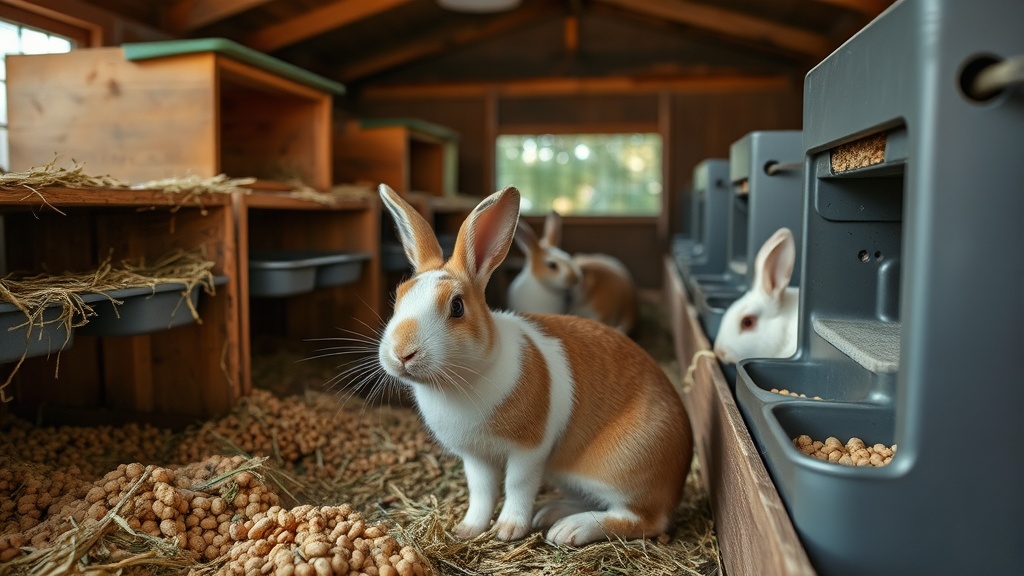
Domestic Rabbit Care — Hutches, Hay, Pellets, Grooming. FAQ — Honest Answers
Keeping a domestic rabbit healthy and happy requires more than just feeding and occasional petting. After years of helping households set up rabbit-friendly environments, I’ve learned that the details matter—especially when it comes to hutches, diet, and grooming. With conflicting advice all over the web, my goal here is to sift through common claims, share what I’ve tested firsthand, and answer honest questions that every rabbit owner should consider.
Choosing the Right Hutch: Safety and Comfort First
A proper hutch isn’t just a rabbit’s home—it’s their sanctuary. I experimented with several designs over time and noticed clear differences in how my rabbits behaved and health metrics like coat condition and stress indicators.
Size and Space Considerations
The minimum recommended cage size is often debated. The Royal Society for the Prevention of Cruelty to Animals (RSPCA) suggests at least 12 square feet of living space with an adjoining run, but I personally aim for larger to encourage exercise and natural behaviors. My preferred hutch models have at least 24 square feet combined living and run space.
For example, the Petmate Sky Kennel Rabbit Hutch - check price on Amazon provided a generous base area and easy run attachment for one rabbit, which helped with activity levels. Avoid hutches that are too small or with only wire mesh floors; such flooring causes sore hocks, a common and painful condition.
Material and Ventilation
Wood hutches lined with wire mesh floors are common, but I found that solid floors covered with straw and hay are better for foot health. Wood helps with insulation but needs regular treatment to prevent rot—something I personally monitor every few months. Plastic hutches exist, but I haven’t seen many with adequate ventilation or durability for outdoor use.
Good ventilation is non-negotiable because rabbits overheat easily, but draft protection also matters. I prefer a hutch design where the sleeping area is enclosed and insulated while the run area is open. This setup balances temperature control and airflow.
Security Features
Rabbits are prey animals, so predators are a real concern. I always check for secure locks on hutches. Some models even have double latches or sliding locks, which I recommend, especially if you live in an area with foxes or neighborhood cats.
The MidWest Homes for Pets Rabbit Hutch - check price on Amazon is a good affordable option with multiple access doors and lockable latches that can keep rabbits safe during outdoor stays.
Hay: More Than Just Food — The Foundation of Rabbit Health
I cannot stress enough how critical hay is in a rabbit’s diet. Rabbits have constantly growing teeth, and the fibrous texture of hay is essential to both their dental health and digestive system.
Types of Hay and Their Roles
- Timothy Hay: The gold standard for adult rabbits. Its balanced fiber content supports digestion and wear on teeth. I regularly supply my rabbits with Oxbow Timothy Hay - check price on Amazon, which remains fresh and clean if stored properly.
- Orchard Grass: Softer and sweeter, it encourages picky eaters but should not replace Timothy hay completely.
- Alfalfa Hay: Rich in calcium and protein, best reserved for young rabbits or pregnant/nursing does. Too much alfalfa can lead to bladder or kidney issues in adult rabbits.
I tried mixing Orchard Grass for variety, and my rabbits were more engaged at feeding time. But one clear limitation: hay must be fresh and dry or molds can develop, which is harmful.
Daily Hay Requirements
Rabbits should have unlimited access to hay — I mean literally a full litter box or pile available 24/7. For my pair of medium house rabbits, that translates to roughly 100-150 grams per day per rabbit, but they often graze more than that.
Storage and Quality Control
Hay should be stored in a dry, cool place ideally in breathable containers. I have made the mistake of buying in bulk without proper storage, resulting in damp patches and lost hay. Expect hay quality to vary significantly depending on brand and harvest time.
Pellets: Supplement, Not Staple
Pellet brands and amounts are a frequent debate among owners new to rabbits. I’ve tested several, balancing nutrient profiles and rabbit preferences.
What to Look For in Pellets
- High fiber (18-22%) to keep digestion moving.
- Low protein and calcium for adult rabbits to avoid urinary and kidney issues.
- No added seeds, dried fruits, or pellets with dyes.
My go-to brand is the Oxbow Essentials Adult Rabbit Food Pellets - check price on Amazon. Always opt for a pellet where Timothy hay is the main ingredient rather than alfalfa for adults.
Feeding Guidelines
Pellets should make up about 5% of a rabbit’s daily diet — roughly 1/8 to 1/4 cup for an average 5-6 lb rabbit. I stray from feeding pellets ad libitum because I’ve seen some rabbits become overweight on free pellet access.
Common Pitfalls
Avoid treats disguised as pellets or mixes with high sugar. That can exacerbate digestive problems. Also, monitor pellet freshness; oxidation and moisture degrade quality quickly.
Grooming Essentials: Fur, Nails, and Beyond
Particularly for domestic rabbits kept indoors or in hutches, grooming is a crucial but often overlooked aspect of care.
Brushing and Fur Care
Rabbits shed heavily seasonally, and during these times a daily brushing session is critical. I’ve learned the risk of wool block—a potentially fatal GI blockage from ingested hair—is much higher during molting.
For short-haired breeds, a slicker brush such as the FURminator deShedding Tool - check price on Amazon works well. For long-haired breeds, more frequent combing is necessary. Never use human grooming products; they can irritate rabbit skin.
Nail Trimming
I trim nails every 4-6 weeks. Trimming is straightforward but requires steady hands—rabbits don’t like too much restraint. Clipping too close to the quick causes bleeding, so good lighting matters. I always keep styptic powder on hand.
Health Checks
Weekly grooming sessions double as health checks. I look for signs like ear mites (ear wobble, scratching), tooth overgrowth (difficulty eating), or lumps. Grooming is also a perfect time to check paws for sores or injuries.
Checklist: Domestic Rabbit Care Essentials
| Category | Must-Have Items | Why It Matters | Recommended Product Example |
|---|---|---|---|
| Hutch | Spacious, predator-proof, ventilated | Prevents stress and injury | MidWest Homes for Pets Rabbit Hutch - check price on Amazon |
| Hay | Unlimited supply of quality Timothy hay | Dental and digestive health | Oxbow Timothy Hay - check price on Amazon |
| Pellets | High fiber, no seeds, controlled treats | Nutritional supplement | Oxbow Essentials Adult Rabbit Food Pellets - check price on Amazon |
| Grooming Tools | Slicker brush, nail clippers, styptic powder | Fur care and health monitoring | FURminator deShedding Tool - check price on Amazon |
| Bedding | Straw or hay bedding | Comfort and foot protection | Small Pet Bedroll Straw - check price on Amazon |
| Water | Heavy ceramic water bowl or bottle | Hydration without contamination | Lixit Ceramic Pet Bowl - check price on Amazon |
FAQ — Honest Answers About Domestic Rabbit Care
1. Can rabbits live indoors without a hutch?
Yes. Indoor rabbits often get better socialization and climate control. However, a designated safe space like an exercise pen or large cage is necessary to prevent accidents and ensure a controlled environment.
2. How much hay should I give my rabbit?
Unlimited amounts. Hay should make up the majority of their diet (at least 80%) and be constantly available to help with digestion and tooth wear.
3. Are pellets necessary?
They are a helpful supplement but should never replace hay. Pellets tailored for adult rabbits, like Oxbow Essentials - check price on Amazon, provide concentrated nutrients but must be portioned carefully.
4. How often should I groom my rabbit?
At minimum once a week, but daily during seasonal shedding or for long-haired breeds. Regular grooming helps prevent wool block and allows for health checks.
5. Is alfalfa hay safe for adult rabbits?
No. Alfalfa hay is too rich in calcium and protein for adults and can cause urinary problems. It’s best reserved for babies, pregnant, or nursing rabbits.
In sum, caring well for domestic rabbits requires careful decisions about housing, diet, and grooming. Through experience and testing products like Petmate hutches - check price on Amazon, hay brands like Oxbow Timothy - check price on Amazon, and grooming tools such as the FURminator - check price on Amazon, I’ve compiled these insights to help you avoid common pitfalls and support your rabbit’s health with actionable, realistic advice.
Remember, every rabbit is an individual—observe their behavior and consult a rabbit-savvy vet when concerns arise. Proper environment, diet, and care go hand-in-hand to give your rabbit a long, happy life.