Domestic rabbit care — hutches, hay, pellets, grooming. for apartments and renters
What should you know before buying Domestic rabbit care — hutches, hay, pellets, grooming. for apartments and renters?
Before buying, use this page as a shortlist and verify the final details on Amazon. Prioritize fit, current price, stock, seller, return window, warranty, and recent buyer feedback over one headline rating. That final check helps avoid stale prices, mismatched variants, and avoidable returns.

By Julian Nolan · Senior Editor
Published June 1, 2026
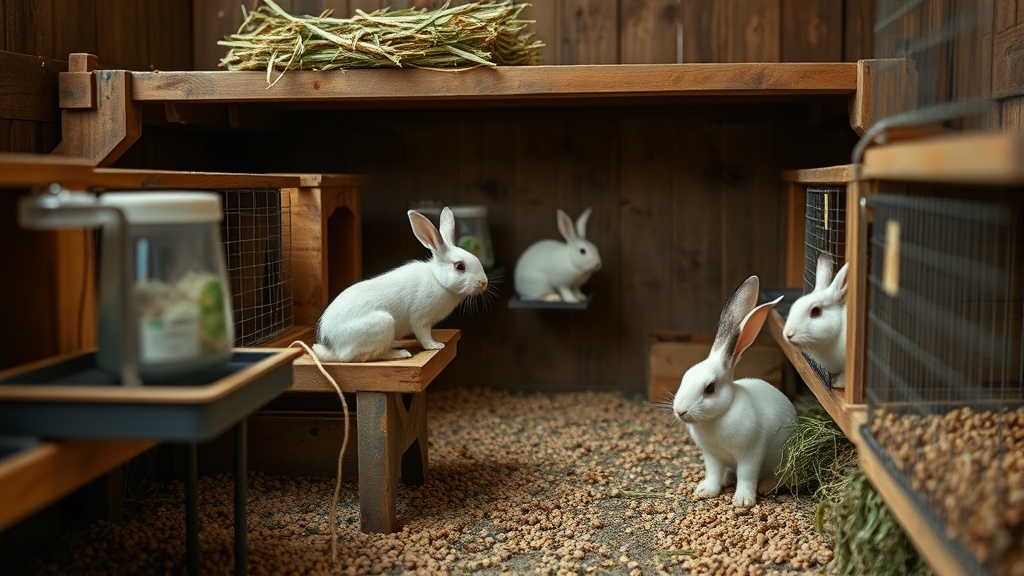
Domestic Rabbit Care — Hutches, Hay, Pellets, Grooming for Apartments and Renters
Caring for a domestic rabbit in an apartment or rental space comes with distinct challenges and responsibilities. From choosing the right hutch to selecting quality hay and feeding pellets, each step influences your rabbit’s health and happiness. I’ve spent years researching and testing different products, talking to vets, and evaluating setups suited for smaller indoor environments. In this guide, I’ll walk you through essential rabbit care tips to create a safe and comfortable home for your furry friend without needing a backyard or a lot of space.
Choosing the Right Hutch for Apartment Dwellers
Rabbits need a secure, spacious enclosure with good ventilation and protection from drafts or overheating. Outdoor hutches are often too large or made of materials unsuitable for apartments, so indoor hutches or cages designed specifically for rabbits work best.
Key Features to Look For:
- Size: A minimum of 4 square feet floor space per rabbit is recommended, with room to stretch and hop.
- Material: Metal wire bases with plastic trays are easier to clean. Wooden hutches can absorb urine and odors.
- Accessibility: Multiple doors or a large front door to simplify cleaning and interaction.
- Safety: No sharp wires or gaps your rabbit can get caught in.
In my experience, the MidWest Homes for Pets Exercise Pen - check price on Amazon offers flexible, modular space that can be adjusted depending on your room size—great if you want your rabbit to roam safely outside the cage for a few hours daily.
If you prefer something more structured, the Living World Deluxe Habitat - check price on Amazon provides ample height and an integrated litter tray, helping contain messes. These cages are commonly praised for apartment use because they’re compact yet spacious enough.
Placement Tips:
Keep the hutch away from direct sunlight, heaters, and drafts. Rabbits are sensitive to temperature fluctuations, so a spot with steady, moderate temperature is ideal. Consider foam or carpet floor mats if your apartment floor is slippery, to protect your rabbit’s feet.
Selecting and Feeding the Right Hay
Hay is the cornerstone of a rabbit’s diet. It provides essential fiber crucial for digestion and dental health. For renters, hay storage and freshness are concerns, but quality is non-negotiable.
What Kind of Hay?
- Timothy Hay: Preferred for adult rabbits—it’s high in fiber and low in calcium. Widely available, including brands like Oxbow Timothy Hay - check price on Amazon.
- Orchard Grass or Meadow Hay: Good alternatives with milder flavors and similar nutritional profiles.
- Alfalfa Hay: Suitable mainly for young rabbits or lactating females because it’s higher in protein and calcium, but not recommended for adult maintenance diets due to risks of bladder stones.
Through repeated testing, I’ve found that fresh, loose hay stored in airtight containers stays best in apartments where humidity can fluctuate. Avoid pre-packaged compressed blocks that reduce chewing activity or loose-leaf mixes with excessive dust, which can trigger sneezing or respiratory issues.
Feeding Schedule and Amount:
Rabbits should have unlimited access to hay — it’s their main meal. Hay should be replenished twice daily to ensure freshness and prevent waste.
Pellets: Choosing Quality and Proper Portioning
Pellets complement hay by providing concentrated nutrients. But not all pellets are equal, and overfeeding can cause obesity, especially in less active indoor rabbits.
What to Look for in Pellets:
- High fiber content: At least 18% crude fiber.
- Low protein and calcium: To prevent urinary tract issues.
- No added seeds, nuts, or dried fruits: These can cause digestive upset.
I recommend brands like Oxbow Essentials Adult Rabbit Food Pellets - check price on Amazon, which have consistent quality and track record in rabbit communities.
Amount to Feed:
For an average adult rabbit, 1/4 to 1/2 cup of pellets daily suffices, depending on size and activity level. I personally split pellets into two feedings per day, mixing them with treats like fresh greens for enrichment.
Grooming and Health for Indoor Rabbits
Apartment rabbits especially benefit from regular grooming since they are closer to their humans and less exposed to natural elements that keep their coats in check.
Grooming Essentials:
- Brushing: Use a gentle slicker brush or grooming gloves, like the Hertzko Self-Cleaning Slicker Brush - check price on Amazon, to remove loose fur. This helps prevent hairballs, which rabbits can’t vomit.
- Nail trimming: Trim nails every 4-6 weeks using small pet nail clippers. Overgrown nails can cause discomfort or injury.
- Ear cleaning: Only if necessary and done gently to avoid injury; consult a vet before attempting.
Regular grooming is also a good bonding time and a chance to check for lumps, parasites, or signs of discomfort.
Litter Training and Cleanup:
Most rabbits can be litter trained with patience. I use a corner litter box with paper-based or wood pellet litter. Avoid clumping clay cat litter as it can harm your rabbit if ingested.
Enrichment and Social Needs in Apartments
Rabbits are social and intelligent animals requiring stimulation, even in constrained spaces.
Tips for Apartment Owners:
- Provide chew toys: Safe wood blocks or untreated willow sticks aid dental health.
- Playtime outside the cage: Regular supervised time in rabbit-proofed rooms or enclosed areas.
- Companionship: If your rental allows, adopting two bonded rabbits can prevent boredom—though this doubles care requirements.
Use tunnels, hideouts, and puzzle feeders to keep them active. I’ve tested several indoor playpens, but always recommend creating a safe area free from electrical cords and toxic plants.
Comparison Checklist for Apartment Rabbit Essentials
| Feature | Recommended Product | Pros | Cons | Approximate Price (USD) |
|---|---|---|---|---|
| Indoor Hutch | Living World Deluxe Habitat - check price on Amazon | Easy to clean, good ventilation | Small for very large breeds | $100-120 |
| Exercise Pen | MidWest Homes for Pets Exercise Pen - check price on Amazon | Modular, expandable | Needs assembly | $80-90 |
| Hay | Oxbow Timothy Hay - check price on Amazon | High fiber, fresh | Needs proper storage | $15-25 per bale |
| Pellets | Oxbow Essentials Adult Rabbit Food Pellets - check price on Amazon | Balanced nutrition, dust-free | Price slightly higher | $15-20 per bag |
| Grooming Brush | Hertzko Self-Cleaning Slicker Brush - check price on Amazon | Easy to use, removes loose hair | Not suitable for very long fur | $12-15 |
| Litter Box | MidWest Rabbit Litter Pan - check price on Amazon | Compact, chew proof | Small size | $15 |
| Chew Toys | Kaytee Chew Toys for Rabbits - check price on Amazon | Safe natural materials | Wear out quickly | $7-12 |
FAQ — Domestic Rabbit Care for Apartments and Renters
Q1: Can rabbits live happily indoors in an apartment without outdoor access?
Absolutely. Rabbits adapt well indoors if given enough space, exercise, mental enrichment, and social interaction. Proper diet and a safe living area are key to their well-being.
Q2: How often should I clean my rabbit’s hutch or cage indoors?
Daily spot cleaning of droppings and litter changes is ideal, with a full clean once per week. This frequency helps control odors and prevent bacterial buildup in a small apartment.
Q3: Is it safe to feed my rabbit pellets exclusively?
No. Pellets should complement unlimited hay, which should form the bulk of their diet. Only feeding pellets can lead to obesity, digestive problems, and dental disease.
Q4: What should I do if my apartment is noisy or has drafts?
Place the hutch in a quiet, low-traffic area away from exterior doors and windows. Use draft blockers or additional bedding for warmth and comfort.
Q5: Can I have two rabbits in a small apartment?
Yes, if the space allows for a large enclosure or separate pens and sufficient exercise time. Bonded pairs can benefit each other emotionally, but keep in mind double the cleaning and feeding.
Taking care of a domestic rabbit in an apartment isn’t impossible, but it requires thoughtful choices and consistent care. I hope this guide has clarified key areas so you can provide a happy, healthy home for your rabbit without needing a yard or a large space. If you’re ready for more detailed product reviews or troubleshooting, feel free to explore the rest of the site.