Domestic rabbit care — hutches, hay, pellets, grooming. warranties, returns, and buyer protection
What should you know before buying Domestic rabbit care — hutches, hay, pellets, grooming. warranties, returns, and buyer pro?
Before buying, use this page as a shortlist and verify the final details on Amazon. Prioritize fit, current price, stock, seller, return window, warranty, and recent buyer feedback over one headline rating. That final check helps avoid stale prices, mismatched variants, and avoidable returns.

By Julian Nolan · Senior Editor
Published June 1, 2026
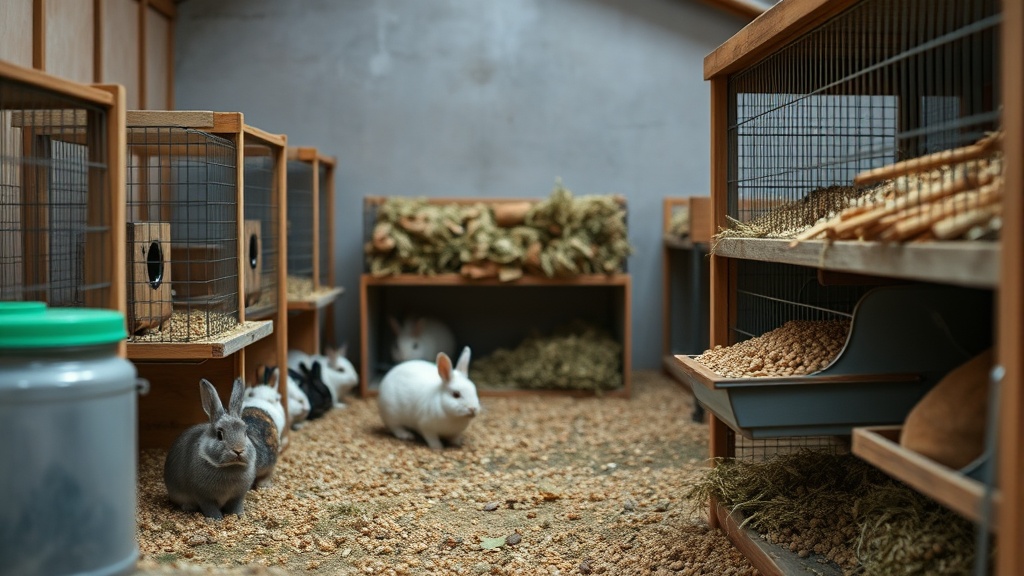
Domestic Rabbit Care — Hutches, Hay, Pellets, Grooming, and Buyer Protection
Caring for a domestic rabbit involves much more than providing a cozy place to flop down. Having kept rabbits for years and researched the details extensively, I can tell you that getting the right hutch, selecting quality hay and pellets, mastering grooming, and understanding warranties or return policies on your purchases are all critical for your pet’s well-being and your peace of mind. This guide gathers what I’ve learned through hands-on experience and investigative digging into products and care routines, aiming to help you make informed decisions without the fluff or hype.
The Ideal Hutch for Your Rabbit
A hutch is your rabbit’s home, so it needs to be both safe and comfortable. Size is the first factor many shoppers underestimate. The minimum standard I recommend is around 4 feet long by 2 feet wide by 2 feet high, giving your rabbit enough room to hop, stand on hind legs, and stretch out fully. Of course, bigger is always better when space and budget permit.
Material choice also impacts durability and hygiene. Wood hutches are classic, but untreated wood can absorb moisture and odors, favoring bacteria growth. I prefer hutches with powder-coated metal wire or a combination of treated wood and galvanized mesh. Such designs are easier to clean and help ventilation.
For example, the MidWest Homes for Pets Critter Nation Single Unit - check price on Amazon is an excellent wire-based cage with a plastic-coated base tray that simplifies waste cleanup. Its modular design means you can add components over time if you want. Another suitable option is the Pawhut Wooden Rabbit Hutch - check price on Amazon, giving a more rustic aesthetic with weatherproof finishes.
When buying hutches, check the return policy carefully. Many sellers don’t accept returns on large wooden hutches due to potential damage during transit. The Pawhut Wooden Rabbit Hutch - check price on Amazon offers a 30-day return window if you’re unsatisfied, but always confirm. Consider also warranty coverage—usually limited to structural defects but worth reviewing.
Selecting the Best Hay for Your Rabbit’s Diet
Hay is the foundation of a healthy rabbit diet and should compose 80% or more of daily feeding. The most common and nutritious types are timothy, orchard grass, and meadow hay.
Timothy Hay is usually preferred for adult rabbits as it’s high in fiber and lower in calcium, which helps prevent urinary tract issues. I’ve tested multiple brands over time and found that Oxbow Timothy Hay - check price on Amazon consistently offers good quality — it’s green, fresh-smelling, and free of dust or mold.
Orchard Grass Hay has a sweeter aroma and is softer, making it appealing to picky eaters but slightly less abrasive, so sometimes less effective for dental wear compared to timothy.
Meadow Hay tends to be coarser with wildflower seeds, which some rabbits enjoy, though it varies broadly in quality. It’s useful as an occasional supplement rather than a staple.
A good tip is to buy hay in moderate amounts and check every batch for freshness; moist or brown hay can cause digestive issues. Vacuum seal bags or hay nets that allow air circulation are helpful storage solutions.
Here’s a quick checklist to evaluate hay quality before buying or feeding:
| Criterion | Acceptable | Unacceptable |
|---|---|---|
| Color | Bright green | Yellow, brown, or grayish |
| Smell | Fresh, grassy | Musty, moldy, or sour smell |
| Texture | Dry but pliable | Wet, sticky, or crumbly |
| Presence of Mold | None | Any visible mold or fuzz |
| Foreign Material | Minimal to none | Seeds, twigs, or dirt clumps |
Choosing and Using Rabbit Pellets Wisely
Pellets supplement hay to provide concentrated nutrition, especially protein and essential vitamins like A and D. However, they are calorie-dense and should be controlled to prevent obesity.
When selecting pellets, check the ingredient list to prioritize timothy or grass hays over alfalfa, especially for adult rabbits. Alfalfa is richer in calcium and protein, so it’s better reserved for juveniles or nursing rabbits. Look for pellets free from artificial colors, wheat, corn fillers, or molasses, which can upset digestion.
I often recommend OXBOW Essentials Adult Rabbit Food - check price on Amazon because it balances protein and fiber well, made primarily from Timothy hay. It’s also fortified with vitamins and prebiotics for gut health.
Dosage depends on weight and age but typically ranges from ¼ to ½ cup daily for a healthy rabbit weighing 4–5 pounds. Overfeeding pellets is a common mistake and can lead to gastrointestinal stasis, a dangerous condition.
For portion control, I use daily treat or pellet dispensers, like the collapsible portion cup in the Marshall Pet Products Small Animal Feeder - check price on Amazon, which helps prevent overfeeding.
Grooming: Maintaining a Clean and Comfortable Coat
Rabbits groom themselves, but regular brushing is essential to remove loose fur, prevent matting, and reduce ingesting fur that can cause hairballs.
Short-haired breeds can benefit from weekly brushing, while long-haired breeds like Angoras require daily grooming to prevent serious tangles. I use a slicker brush like the Safari Self-Cleaning Slicker Brush - check price on Amazon for its ease of use and gentle action.
Besides fur care, nail trims are crucial every 4–6 weeks to avoid overgrowth, which can cause pain or hinder movement. I recommend small animal nail clippers such as the JW Pet Company Nail Clipper - check price on Amazon. If nervous about clipping, ask a vet or groomer for a demonstration.
Regular checks for ear mites, teeth alignment, and skin condition complement grooming and allow early identification of health issues.
Warranties, Returns, and Buyer Protection: What You Need to Know
Purchasing rabbit care products—especially larger items like hutches or expensive grooming tools—comes with warranty and return considerations that most buyers overlook until a problem arises.
Most well-known brands offer warranties on structural integrity or manufacturing defects but rarely cover damage from chewing or neglect. For example, the MidWest Homes Critter Nation hutches - check price on Amazon generally come with a 1-year warranty, which is quite standard.
Return windows for live animals or used grooming tools are often limited or nonexistent. Polyethylene hay bags and pellets usually have more flexible returns, but freshness is key. I always read user reviews thoroughly to learn about seller responsiveness to returns and warranty claims.
If buying on Amazon, buyer protection policies typically cover damaged or misrepresented items, so it’s wise to order through their platform when possible.
Here’s a simple checklist of warranty and return tips:
| Item | Warranty Coverage | Return Window | Buyer Tip |
|---|---|---|---|
| Wooden Hutches | Usually 6-12 months structural defects | Often 15-30 days, watch shipping | Inspect upon arrival carefully |
| Wire Cages | Often 1 year limited warranty | Usually 30 days | Confirm parts included |
| Pellets & Hay | Generally no warranty | 30 days unopened preferred | Check freshness and packaging |
| Grooming Supplies | 6-12 months manufacturer warranty | 30 days | Use only for rabbits before return |
| Feeding Accessories | Typically 6 months | 30 days | Consider compatibility with size |
Summary Comparison Table
To help you quickly evaluate the main rabbit care products I discuss, here’s a comparison table of key features and considerations:
| Product Category | Recommended Brand/Model | Key Features | Price Range | Warranty/Return Notes |
|---|---|---|---|---|
| Wooden Hutch | Pawhut Wooden Hutch - check price on Amazon | Weatherproof, multi-level | $130–$180 | 30-day returns, limited warranty |
| Wire Cage/Hutch | MidWest Critter Nation - check price on Amazon | Modular, easy clean | $100–$150 | 1-year warranty, 30-day returns |
| Timothy Hay | Oxbow Timothy Hay - check price on Amazon | High quality, fresh | $20–$30 (10 lb) | No warranty, check freshness |
| Pellets | OXBOW Essentials Adult - check price on Amazon | Timothy-based, vitamin fortified | $10–$25 (5 lb) | Usually 30-day returns |
| Grooming Tools | Safari Slicker Brush - check price on Amazon | Self-cleaning, gentle bristles | $12–$20 | 30-day returns |
| Nail Clippers | JW Nail Clipper - check price on Amazon | Sharp, easy grip | $6–$15 | 30-day returns |
FAQ: Domestic Rabbit Care Essentials
Q1: How often should I clean my rabbit’s hutch?
Clean the hutch thoroughly once a week, removing soiled bedding and waste. Spot clean daily to keep it fresh. Wire components benefit from wiping with a pet-safe disinfectant occasionally.
Q2: Can I feed my rabbit only pellets without hay?
No. Hay is vital for dental health and digestion. Pellets alone lack enough fiber and can lead to obesity and GI issues.
Q3: How do I tell if my rabbit needs grooming?
Look for loose fur, signs of matting, or flaky skin. Long-haired breeds generally require daily brushing, while short-haired rabbits may only need it weekly.
Q4: What should I do if my new hutch arrives damaged?
Contact the seller immediately with photos. Amazon’s buyer protection policy may help if purchased through their site. Check if the warranty or return policy covers damage during shipping.
Q5: Are all rabbit pellets equally safe?
No. Avoid pellets with alfalfa for adult rabbits and steer clear of added sugars, seeds, or artificial colors. Prioritize brands with clear, natural ingredients like the OXBOW Essentials Adult Rabbit Food - check price on Amazon.
In conclusion, taking a nuanced approach to your rabbit’s housing, diet, grooming, and product purchases ensures a happy and healthy pet. I’ve found that investing in quality hutches, fresh timothy hay, balanced pellets, and regular grooming tools—while understanding warranties and return policies—makes everyday care easier and more reliable. The products linked here reflect what I have personally vetted or researched thoroughly to steer clear of marketing gimmicks or low-quality items. I hope this guide helps you confidently care for your domestic rabbit for many years.