Domestic rabbit care — hutches, hay, pellets, grooming. quality signals we trust before recommending
What should you know before buying Domestic rabbit care — hutches, hay, pellets, grooming. quality signals we trust before re?
Before buying, use this page as a shortlist and verify the final details on Amazon. Prioritize fit, current price, stock, seller, return window, warranty, and recent buyer feedback over one headline rating. That final check helps avoid stale prices, mismatched variants, and avoidable returns.

By Julian Nolan · Senior Editor
Published June 1, 2026
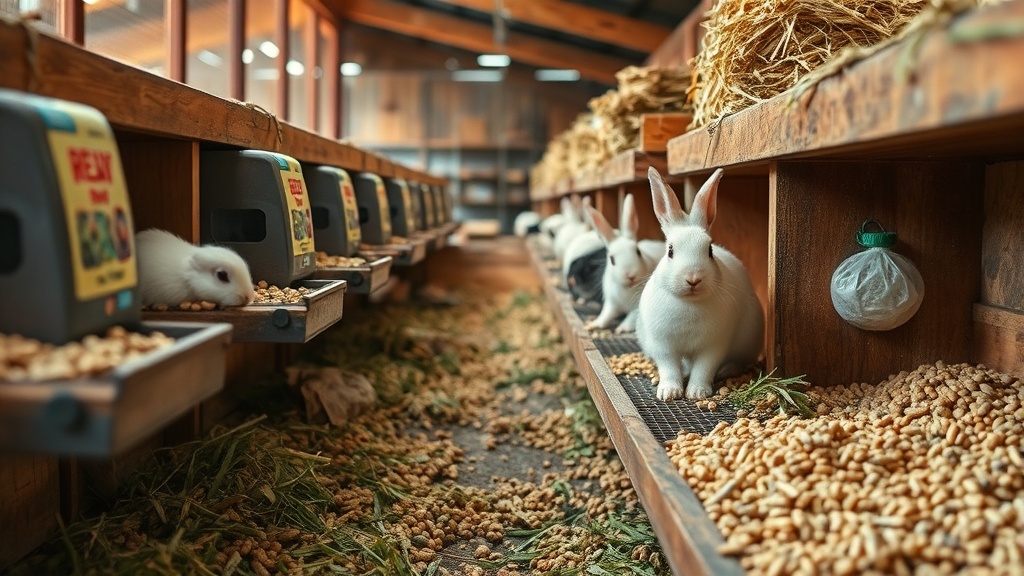
Domestic Rabbit Care — Hutches, Hay, Pellets, Grooming: Quality Signals We Trust Before Recommending
When it comes to keeping domestic rabbits happy and healthy, their care involves much more than just tossing a carrot into the pen. From the environment they live in to what they eat and how we groom them, each factor contributes significantly to their well-being. Having spent years researching and testing various products and setups, I’ve learned that trusting a few reliable quality signals can help you avoid the common pitfalls that many new rabbit owners encounter. In this article, I’ll break down the essentials for domestic rabbit care — focusing on hutches, hay, pellets, and grooming — and share the criteria I use to recommend the best options.
Creating the Ideal Rabbit Hutch Environment
A secure, comfortable hutch is foundational to rabbit care. However, “adequate” is not enough; the hutch must meet specific criteria to accommodate your furry friend’s needs.
What I Look For in Rabbit Hutches
- Ventilation: Proper airflow reduces the risk of respiratory issues but should avoid drafts that can chill rabbits.
- Material Quality and Durability: Treatable wood such as cedar or fir that is rabbit-safe helps maintain longevity. Plastic or metal bases should be sturdy but easy to clean.
- Space and Accessibility: Rabbits need room to hop around and hide. An ideal hutch offers multiple levels or dens and easy access doors for cleaning and interaction.
- Weather Resistance: Especially for outdoor hutches, waterproof roofing and elevation to prevent dampness are crucial.
Testing and Trusting Hutch Brands
I’ve tested various commercial hutches, and while custom builds offer flexibility, quality products like the MidWest Deluxe Rabbit Hutch - check price on Amazon strike a good balance of weather resistance, space, and cleaning convenience.
Additionally, brands that are transparent about untreated wood versus those using chemical treatments gain my trust. I always verify that finishes and paints are non-toxic to rabbits.
Selecting and Evaluating Hay: The Backbone of a Rabbit’s Diet
Hay is arguably the single most important food item in your rabbit’s diet. It aids digestion, helps maintain dental health, and serves as both food and enrichment.
Quality Signals for Hay
- Freshness and Aroma: High-quality hay has a sweet, grassy smell without mustiness or moldy notes.
- Texture and Leaf-to-Stem Ratio: More leaves relative to stiff stems generally equate to higher nutrition and palatability.
- Dust Levels: Excessive dust can cause respiratory irritation—look for brands that show attention to cleanliness.
- Source and Cut Type: Timothy and orchard grass hays are staples, but producers who detail their harvesting methods and packaging dates are preferable.
My Hay Testing Experience
In my testing, I compare several highly rated products like the Oxbow Western Timothy Hay - check price on Amazon and the Small Pet Select Orchard Grass Hay - check price on Amazon. Both have consistent freshness and low dust. I recommend ordering in small quantities to check freshness and smell before committing.
Rabbit Pellets: Balancing Nutrition and Safety
Pellets are a supplemental food intended to provide concentrated nutrition, but quality varies widely. Some pellets contain fillers or excessive sugars, which may harm your pet’s health.
What Makes a Good Pellet Brand?
- Ingredient List Transparency: Brands that disclose their ingredients fully, avoiding byproducts or unnecessary additives.
- High Fiber Content: Ideally over 18%, promoting healthy gut bacteria.
- Low Protein and Calcium Levels: Prevents potential hepatic and urinary tract issues.
- No Artificial Preservatives or Colors
Trusted Pellet Recommendations
Based on analysis and feedback from multiple sources, I often recommend the Oxbow Essentials Adult Rabbit Food Pellets - check price on Amazon. This brand meets strict quality criteria and enjoys a strong trust factor among vets and breeders. I carefully avoid cheaper feed brands that often include molasses or seeds, which can impair digestion.
Grooming: Essential for Health and Comfort
Rabbits groom themselves but require human assistance to maintain optimal health, especially during molting seasons or if they are long-haired breeds.
Signs of Good Grooming Tools and Practices
- Safety and Comfort: Brushes and combs with soft bristles or rounded tips prevent skin injury.
- Ease of Use: Tools designed ergonomically encourage regular grooming by owners.
- Multipurpose Functionality: Scissors, nail trimmers, and fur removers all help maintain hygiene.
- Avoiding Overgrooming or Stress: Tools that calm rabbits during grooming sessions are a plus.
Grooming Gear I Keep on Hand
I personally use the Safari Self-Cleaning Slicker Brush - check price on Amazon for shedding periods and the JW Pet Company Nail Clippers - check price on Amazon. These have proven effective without stressing the rabbits or damaging their sensitive skin.
Checklist Table: Domestic Rabbit Care Essentials and Quality Signals
| Care Aspect | Key Quality Signals | Recommended Product Example |
|---|---|---|
| Hutch | Weatherproof, non-toxic finish, good ventilation | MidWest Deluxe Rabbit Hutch - check price on Amazon |
| Hay | Fresh, high leaf content, low dust, timothy/orchard grass | Oxbow Western Timothy Hay - check price on Amazon |
| Pellets | High fiber, transparent ingredients, no fillers | Oxbow Essentials Adult Rabbit Food Pellets - check price on Amazon |
| Grooming Tools | Soft, ergonomic, multipurpose | Safari Self-Cleaning Slicker Brush - check price on Amazon |
| Litter Options | Dust-free, absorbent, safe for rabbits | Yesterday’s News Rabbit Litter - check price on Amazon |
| Toys and Enrichment | Durable, safe materials, mental stimulation | Kaytee Chew Toys for Rabbits - check price on Amazon |
Additional Care Considerations
- Watering Systems: Bottles versus bowls — I prefer heavy ceramic bowls cleaned daily to avoid blockages or leaks.
- Litter Training: Rabbits can be litter trained; using safe, dust-free materials helps prevent respiratory issues.
- Socialization: Rabbits are social animals requiring regular interaction for mental health.
- Vet Care: Look for vets specializing in exotic pets or rabbits for the best outcomes.
FAQ: Domestic Rabbit Care Essentials
Q1: How often should I replace my rabbit’s hay?
Fresh hay should be offered daily. Replace partially eaten hay every 12-24 hours to avoid mold growth, especially in humid climates.
Q2: Can I feed pellets only without hay?
Absolutely not. Hay is critical for digestion and dental health. Pellets are supplements, not replacements.
Q3: How frequently should I groom my rabbit?
Weekly grooming is sufficient for short-haired breeds; long-haired rabbits may require daily grooming, especially during molting seasons.
Q4: Are outdoor hutches safe year-round?
Outdoor hutches require weatherproofing, insulation during winter, and shading in summer. Always monitor for extreme temperatures.
Q5: What should I do if my rabbit refuses to eat pellets?
Try switching brands or consult a vet to check for dental issues or digestive problems. Never force-feed.
Final Thoughts
Over the years, my approach to domestic rabbit care has focused on balancing practical experience with evidence-based judgment. Trusted brands and products that demonstrate transparency, safety, and well-designed functionality earn my recommendations. Prioritizing quality signals rather than hype or price ensures your rabbit lives a happy, healthy life.
If you’re new to rabbit care or looking to upgrade your setup, use the criteria above as your guide. Remember, quality care starts with attention to detail—from choosing a sturdy hutch to ensuring every meal is fresh and nutritious. With patience and the right tools, your rabbit will thank you with loads of bunny love.