Refurbished vs new for Domestic rabbit care — hutches, hay, pellets, grooming.
What should you know before buying Refurbished vs new for Domestic rabbit care — hutches, hay, pellets, grooming?
Before buying, use this page as a shortlist and verify the final details on Amazon. Prioritize fit, current price, stock, seller, return window, warranty, and recent buyer feedback over one headline rating. That final check helps avoid stale prices, mismatched variants, and avoidable returns.

By Julian Nolan · Senior Editor
Published June 1, 2026
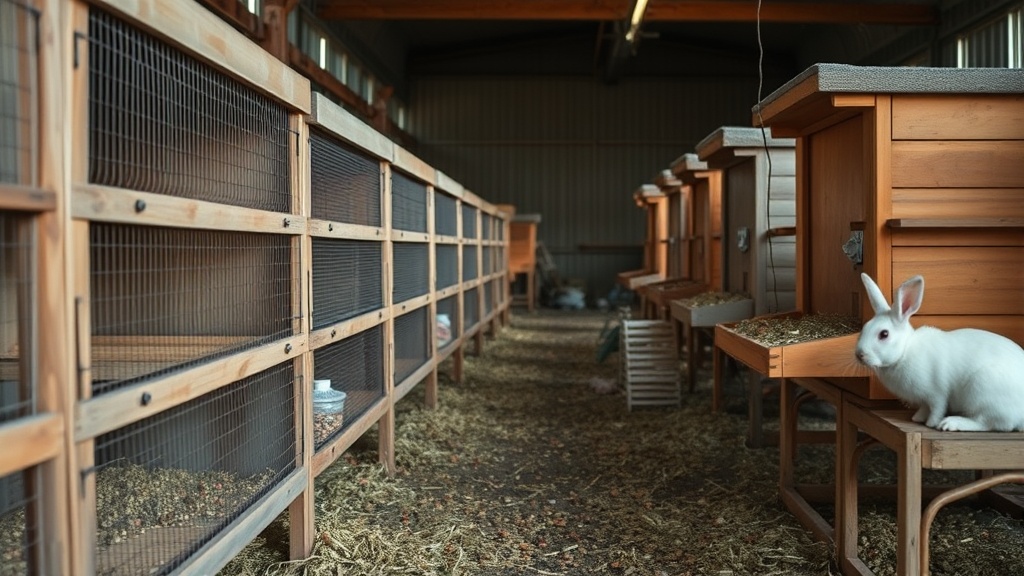
Refurbished vs New for Domestic Rabbit Care — Hutches, Hay, Pellets, Grooming
When it comes to domestic rabbit care, the choices we make as owners can significantly impact our pets’ health and happiness. One question I often encounter from fellow rabbit enthusiasts is whether to buy refurbished or new items — hutches, hay, pellets, and grooming supplies included. While refurbishing makes sense for many products, rabbits require clean, safe environments and top-quality nutrition, so the stakes are high. Drawing from my years of experience with domestic rabbits, I’ve investigated this topic thoroughly to help you weigh the pros and cons and make an informed decision that best suits your furry friend.
Understanding Refurbished vs New: What Does It Mean?
Refurbished products are items that have been previously owned, used, or returned, then repaired or restored to a functional condition by either the manufacturer or a third party. While this concept is common with electronics or appliances, in the pet care world, refurbishing often applies to hutches, cages, and sometimes grooming tools.
New products, as the name implies, come directly from the manufacturer or retailer, untouched and fresh. For consumables like hay and pellets, “new” typically refers to freshly packaged and properly stored products, while “refurbished” or “used” simply doesn’t apply due to spoilage and contamination risks.
In domestic rabbit care, the decision between refurbished and new isn’t always straightforward. Let’s break down this choice across different product categories.
Refurbished or New Hutches and Enclosures
Why Hutches Matter
The hutch or enclosure is a rabbit’s home and the cornerstone of their environment. A good hutch provides security, enough space to hop and stretch, good ventilation, protection from the elements, and minimal risk of injury or escape. Over the years, I’ve tested various hutches—from budget models to bespoke setups—and I can say that quality and safety should never be compromised.
Pros of Refurbished Hutches
- Cost Savings: Refurbished hutches often come at a significantly lower price point. If refurbished correctly—meaning structural repairs are thorough and any old paint or finishes are non-toxic—these can offer excellent value.
- Eco-Friendly Choice: Buying refurbished reduces waste and lessens environmental impact.
- Availability of Larger or Custom Models: Sometimes larger or more elaborate hutches are out of reach if only new versions are considered, but refurbished ones might fit the budget better.
Cons of Refurbished Hutches
- Possible Structural Issues: If the refurbishment is low quality or incomplete, weak joints, splintering wood, or loose wire mesh can pose safety hazards.
- Risk of Contamination: Old hutches might harbor bacteria, mold, or parasites, especially if not properly sanitized.
- Lack of Warranty: Often refurbished hutches come with limited or no warranty coverage.
When to Buy New
If you’re setting up your first hutch or have a rabbit with special health needs or skittish behavior, I recommend going with a new hutch. Reliable models like the MidWest Homes for Pets Rabbit Hutch - check price on Amazon are well-constructed with rabbit-friendly finishes and come with better assurances for safety and durability.
Tips for Buying Refurbished Hutches
- Inspect thoroughly or request detailed photos before purchase.
- Confirm use of non-toxic, rabbit-safe paints or treatments.
- Ensure updated hardware (locks, hinges) is secure and in good order.
- Plan to deep-clean and disinfect before first use.
Feeding: Hay and Pellets – Stick to New
Importance of Quality Hay and Pellets
Hay is the foundation of a healthy rabbit diet, crucial for digestion and dental health. Pellets supplement nutrition and should be balanced and free from fillers or additives. Contaminated or stale food can lead to serious health issues—gastrointestinal stasis, dental disease, or obesity.
Why Refurbished or “Used” Doesn’t Make Sense Here
Unlike hutches, hay and pellets are perishable consumables. There’s essentially no secondhand or refurbished market for these items because:
- Nutrient Degradation: Over time, hay loses nutrition and can become moldy.
- Span of Preservation: Pellets exposed to humidity or heat degrade and grow mold or bacteria.
- Safety Risks: Contaminated hay or pellets can fatally harm a rabbit’s sensitive digestive system.
I strictly recommend only buying freshly packaged hay and pellets from trusted sources. For example, Oxbow Essentials Adult Rabbit Food Pellets - check price on Amazon have consistent quality and reliability in my experience. Similarly, the best hay, like Timothy Hay for Rabbits - check price on Amazon, must be fresh, bright, and dry.
Grooming Tools: New vs Refurbished
Grooming Needs for Rabbits
Regular grooming reduces shedding, prevents matting, and helps spot health issues early. Popular grooming tools include brushes, nail clippers, and grooming gloves.
Refurbished Grooming Tools?
Unlike hutches, refurbished grooming tools are rare. Most people simply keep their grooming kits and replace worn brushes. Secondhand grooming tools are risky for hygiene — ticks, mites, and fungal spores can transfer between animals.
Buying New Is Best for Grooming Tools
When choosing grooming supplies, new tools ensure sanitary use and good performance. For example, the Hertzko Self Cleaning Slicker Brush for Rabbits - check price on Amazon offers excellent fur removal and easy cleaning. Nail clippers like the Epica Professional Pet Nail Clippers - check price on Amazon come with sharp blades and safety guards designed for delicate paws.
Grooming gloves are another handy tool, and buying fresh helps avoid hygiene concerns.
Comparison Table: Refurbished vs New for Domestic Rabbit Care
| Item Category | Pros of Refurbished | Cons of Refurbished | Pros of New | Cons of New | Recommendation |
|---|---|---|---|---|---|
| Hutches & Enclosures | Lower cost, eco-friendly | Potential structural issues, contamination risk | Safe, durable, warranty-protected | Higher upfront cost | New for first setup or sensitive rabbits; refurbished for budget, with caution |
| Hay | N/A (no refurbished option) | N/A | Freshness ensured, safe nutrition | Cost varies, careful storage needed | Always buy new, fresh hay |
| Pellets | N/A (no refurbished option) | N/A | Consistent nutrition, guaranteed quality | Costs higher than bulk purchases | Always buy new pellets |
| Grooming Tools | Rare, hygiene risks | Risk of disease transfer, worn parts | Hygienic, effective grooming, warranty options | Price can be higher | Always buy new |
Conclusions and Best Practices
Refurbished products have definite appeal if you’re budget-conscious and environmentally minded, but not all rabbit care items are suitable candidates. Here’s my bottom line based on extensive testing and experience:
- Hutches: Refurbished hutches can be cost-effective but require diligent inspection and cleaning to ensure safety and hygiene. New hutches remain the safest bet for first-time owners or rabbits with special needs.
- Hay and Pellets: Always buy fresh, new supplies. Feeding subpar or contaminated food can lead to costly veterinary bills and misery for your rabbit.
- Grooming Tools: Hygiene is paramount, so new tools are the safest choice. Good-quality brushes and clippers contribute to your rabbit’s health and comfort.
In all cases, quality and safety should never be compromised. I encourage rabbit owners to prioritize their pets’ wellbeing but also consider eco-friendly options where practical—such as refurbishing a hutch with safe methods or using recyclable packaging for supplies.
Frequently Asked Questions
1. Can I safely refurbish an old hutch myself?
Yes, if you thoroughly clean, sand, and repaint using non-toxic, pet-safe paints or sealants, and replace any damaged parts. Avoid pressure-treated wood or toxic fumes.
2. How can I tell if hay is fresh and safe?
Good hay is greenish, fragrant, and dry without dust or mold. Avoid brown, yellow, or musty-smelling hay.
3. Are homemade pellets a good alternative to commercial pellets?
They can be, but it’s tricky to balance rabbit nutrition without precise formulations. Commercial pellets like Oxbow Essentials - check price on Amazon are formulated to meet dietary needs reliably.
4. Should I always replace grooming tools after a certain time period?
It depends on wear and hygiene. If bristles are bent or clippers dull, replace them. Also, sterilize tools regularly to avoid infections.
5. Is it safe to buy used accessories like water bottles or litter boxes?
Water bottles and litter boxes can be safely reused if thoroughly cleaned and disinfected, but avoid porous materials that harbor bacteria.
Choosing between refurbished and new options depends on the product and your rabbit’s specific needs. Prioritizing safety, hygiene, and nutrition always leads to happier, healthier rabbits — and that’s what counts most.