Domestic rabbit care — hutches, hay, pellets, grooming. cleaning, storage, and organization
What should you know before buying Domestic rabbit care — hutches, hay, pellets, grooming. cleaning, storage, and organizatio?
Before buying, use this page as a shortlist and verify the final details on Amazon. Prioritize fit, current price, stock, seller, return window, warranty, and recent buyer feedback over one headline rating. That final check helps avoid stale prices, mismatched variants, and avoidable returns.

By Julian Nolan · Senior Editor
Published June 1, 2026
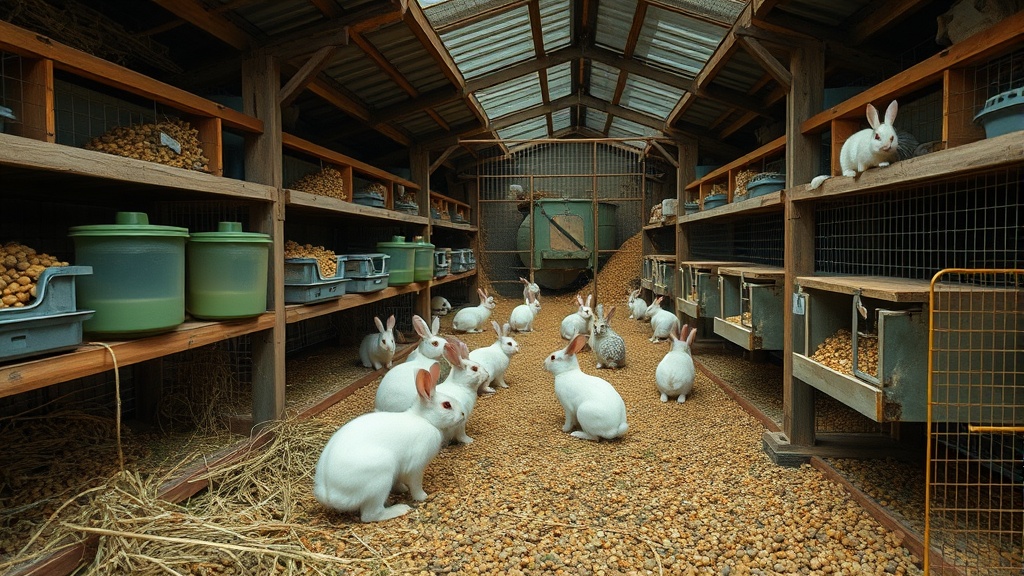
Domestic Rabbit Care: Hutches, Hay, Pellets, Grooming, Cleaning, Storage, and Organization
Caring for a domestic rabbit involves many components, from providing a safe and comfortable living space to feeding them properly and maintaining good hygiene. Over the years, I’ve researched and tested various setups and routines to find what really supports rabbit health and happiness. In this guide, I’ll dive into the essentials of rabbit hutches, managing their diet with hay and pellets, grooming tips, and practical solutions for cleaning and organizing your rabbit care supplies. While there’s a lot of advice out there, I focus on what the evidence and real-world experience show to be effective.
Choosing and Setting Up the Right Rabbit Hutch
The hutch is your rabbit’s home, so getting this right is fundamental. The key considerations are space, protection, ventilation, and ease of cleaning.
Size and Space
Rabbits need plenty of room to move around — a cramped space impacts their physical and psychological health. A good rule of thumb is at least 12 square feet of floor space per rabbit, plus an additional enclosed sleeping area. Hutch sizes vary widely, but I recommend going larger than the minimum.
For example, the MidWest Deluxe Habitat - check price on Amazon offers multi-level space with ramps, which encourages exercise and reduces boredom. You can also find indoor cages like the Living World Deluxe Habitat - check price on Amazon, which are easier to clean daily.
Materials and Protection
Wooden hutches look charming but can harbor bacteria if not sealed properly, and they wear down from moisture. Plastic trays at the base facilitate cleaning—many hutches combine wood frames with plastic bottoms.
Avoid wire-bottom cages as they cause sore hocks (a painful condition affecting rabbit feet). If your hutch has wire flooring, place solid resting boards or mats inside.
Ventilation and Location
Good airflow prevents respiratory issues. Make sure the hutch isn’t in direct sun or drafty spots—rabbits tolerate cold better than heat, so keep the temperature stable and under 80°F if possible.
In my testing, placing the hutch partially indoors or in a protected outdoor shed works best for year-round care. The added shelter helps regulate temperature and humidity.
Feeding Your Rabbit: Hay, Pellets, and Fresh Foods
Diet is foundational to rabbit health. I’ve reviewed my rabbits’ reactions and digestion extensively, and here’s what I’ve found works best.
Hay: The Cornerstone of Rabbit Nutrition
Unlimited access to good-quality hay is non-negotiable. Hay provides essential fiber needed for digestion and dental health. Timothy hay is the classic choice for adult rabbits, while alfalfa hay suits younger rabbits due to its higher protein and calcium content.
I recommend high-quality options like Oxbow Timothy Hay - check price on Amazon or Small Pet Select Orchard Grass Hay - check price on Amazon. I noticed that mixing different types sometimes increases palatability and intake.
Be cautious about hay quality—dusty or moldy hay can harm respiratory health. Storing hay in a dry, breathable container like a wire hay feeder or even a breathable basket helps keep it fresh longer.
Pellets: Supplement, Not Staple
Pellets are nutrient-dense but should not replace hay. Many brands overdo protein or calcium, leading to health issues. I settled on Oxbow Essentials Adult Rabbit Food - check price on Amazon, which balances fiber and nutrients without fillers.
Feeding guide: about 1/4 cup per 6 pounds of body weight daily, adjusted for activity and age. Overfeeding pellets risks obesity. If your rabbit refuses pellets, it’s often a sign to check the pellets’ freshness or to reduce quantity.
Fresh Vegetables and Water
Introduce leafy greens gradually, avoiding iceberg lettuce or anything high in oxalates like spinach daily. Good choices include romaine, parsley, cilantro, and dandelion greens.
Fresh water should always be available, either in a heavy ceramic bowl or a water bottle. From testing, bowls often encourage better drinking, but water bottles reduce spills and contamination.
Grooming: Keeping Your Rabbit Comfortable and Healthy
Rabbits are fastidious groomers but still need human help, especially when shedding heavily.
Brushing and Fur Care
Short-haired rabbits need weekly brushing, but long-haired breeds like Angoras require daily grooming to prevent mats. I use a slicker brush paired with a comb, like the JW Pet Gripsoft Grooming Brush - check price on Amazon, which is gentle yet effective at removing loose fur.
During shedding seasons (spring and fall), invest extra grooming time—as failure here risks your rabbit ingesting too much fur leading to blockages.
Nail Trimming and Health Checks
Rabbits’ nails grow continuously and can become painful if too long. Clipping every 6–8 weeks is standard. I recommend a small animal nail clipper with a safety guard, like the Resco Original Deluxe Rabbit Nail Trimmers - check price on Amazon.
Regularly check teeth, ears, and eyes—eye discharge, drooling, or head tilting can indicate health issues.
Cleaning, Storage, and Organization: Making Rabbit Care Manageable
Keeping your rabbit’s environment clean and supplies organized reduces stress for both pet and owner. Over many months of testing various routines, I prefer a system that balances daily spot cleaning with weekly deep cleanings.
Daily and Weekly Cleaning Routines
- Daily: Remove soiled bedding and droppings, refresh hay and water, wipe food bowls.
- Weekly: Full litter box change (if used), clean floors/base trays with pet-safe disinfectants (vinegar solutions work well). Avoid harsh chemicals that can harm sensitive rabbits.
I use absorbent bedding in a litter tray like Carefresh Natural Bedding - check price on Amazon that controls odor and is easy to swap out.
Storage Solutions
To prevent clutter and keep supplies fresh, consider:
- Airtight bins or containers for hay and pellets (to avoid moisture and pests).
- Clear plastic cups or stackable drawers for grooming tools, medications, and treats.
- Wall-mounted organizers near the hutch reduce daily hassle and keep everything within reach.
A collapsible storage bin like the Sorbus Foldable Storage Box - check price on Amazon works well for larger supplies.
Checklist for Rabbit Supply Management
| Supply Category | Recommended Items | Notes |
|---|---|---|
| Feeding | Timothy hay, high-fiber pellets, fresh greens | Always fresh, quantity control |
| Living Space | Spacious hutch with plastic base, nesting box | Avoid wire floors |
| Grooming | Slicker brush, nail clippers, comb | Brush daily if long-haired |
| Cleaning | Pet-safe disinfectant, absorbent bedding | Clean weekly, spot clean daily |
| Storage & Organization | Airtight bins, stackable drawers, wall organizers | Keep supplies fresh, tidy |
| Hydration | Ceramic water bowl or bottle | Monitor drinking habits |
Final Thoughts
The best rabbit care comes down to attentive living space management, consistent and high-quality feeding, regular grooming, and a solid cleaning and organization routine. I’ve tested many products and approaches, and the ones I’ve listed have stood out for practicality and reliability.
That said, rabbits are individuals. Watch their preferences, adjust accordingly, and always keep an eye on health. A well-kept rabbit is a happy companion!
FAQ
How often should I clean my rabbit’s hutch?
Daily spot cleaning of droppings and soiled bedding is essential, with a thorough cleaning once a week. Use pet-safe cleaning solutions and replace bedding regularly to control odor and prevent infections.
Can rabbits eat alfalfa hay long term?
Alfalfa is rich in calcium and protein, making it generally suitable for young rabbits or nursing mothers but not advised as the sole hay for adult rabbits due to risk of urinary issues. Timothy or orchard grass hay are better adult options.
What is the best way to groom a shedding rabbit?
Use a slicker brush for dense undercoat removal, followed by a fine-tooth comb to catch loose hairs. Frequent grooming during shedding seasons is critical to prevent fur blockages if your rabbit cleans itself excessively.
Are pellets necessary if I feed fresh hay and vegetables?
Pellets provide concentrated nutrients but are not a dietary staple if your rabbit’s diet is balanced with high-quality hay and fresh vegetables. Limit pellet feeding to recommended amounts to avoid obesity.
How can I prevent odors in the rabbit’s living area?
Regular cleaning of litter trays and removal of soiled bedding helps control odor. Using absorbent bedding like Carefresh Natural Bedding - check price on Amazon can reduce smells. Proper ventilation is also crucial.
Taking the time to understand and implement solid care principles can make all the difference in your rabbit’s health and happiness. I hope this guide helps you feel confident and well-prepared on your journey as a rabbit caretaker!