Domestic rabbit care — hutches, hay, pellets, grooming.: budget vs premium — what actually matters
What should you know before buying Domestic rabbit care — hutches, hay, pellets, grooming?
Before buying, use this page as a shortlist and verify the final details on Amazon. Prioritize fit, current price, stock, seller, return window, warranty, and recent buyer feedback over one headline rating. That final check helps avoid stale prices, mismatched variants, and avoidable returns.

By Julian Nolan · Senior Editor
Published June 1, 2026
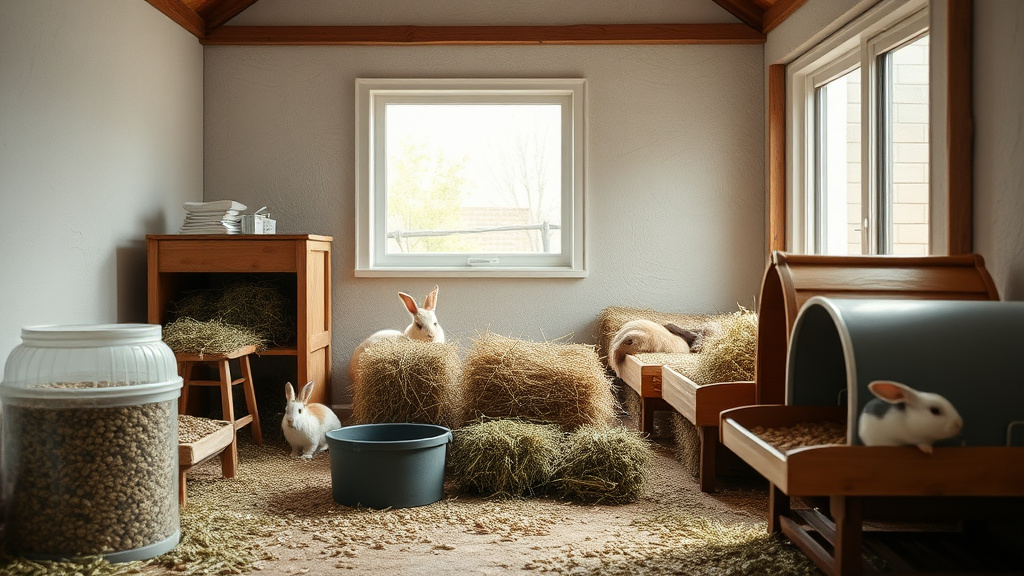
Domestic Rabbit Care — Hutches, Hay, Pellets, Grooming: Budget vs Premium — What Actually Matters
Owning a domestic rabbit is rewarding, but it comes with responsibilities that directly affect your pet’s health and happiness. From choosing a hutch to picking out appropriate hay, pellets, and grooming tools, the question inevitably arises: should you splurge on premium products, or are budget options good enough? Over the years caring for several rabbits, trying different setups, and verifying claims with trusted sources, I’ve learned that some areas truly deserve investment, while others are fine on a budget. In this article, I’ll walk you through everything you need to know when balancing cost and quality in key aspects of rabbit care.
Rabbit Hutches: Budget Models vs Premium Designs
Your rabbit’s housing is its sanctuary—comfort, safety, and space matter. There’s a wide spectrum of offerings from cheap wire cages to large solid-wood hutches.
What I Tested and Learned
I initially started with a basic wire hutch below $100 and quickly noticed my rabbits were avoiding spending time there. It lacked insulation, protection from wind, and the flooring was hard on their feet. Switching to a more robust model made of wood with a waterproof roof and solid floor solved many problems.
| Feature | Budget Hutch | Premium Hutch |
|---|---|---|
| Material | Wire mesh, thin wood | Solid wood with waterproof coating |
| Weather Resistance | Limited | Much better with sealed wood |
| Size | Often small, cramped | Typically more spacious |
| Floor Type | Wire or simple plastic tray | Solid floor with removable litter tray |
| Ventilation | Basic | Optimized for airflow, but draft-free |
| Price Range | $50–$120 | $200–$500+ |
Bottom line: Opt for a premium or midrange hutch featuring solid flooring and weather protection if your rabbits spend most of their time outdoors. For indoor rabbits, a secure, well-ventilated cage like the MidWest Homes for Pets Deluxe Rabbit Hutch - check price on Amazon is a solid buy at an affordable price.
Hay: Cheap Bales vs Organic, Fresh, and Specialty Mixes
Hay is the cornerstone of rabbit nutrition. It aids digestion, keeps teeth healthy, and provides enrichment. But, does cheap hay stack up nutritionally?
What I Looked For
I compared regular supermarket hay with organic meadow hay and timothy hay blends sourced from specialty suppliers. Cheaper hay often contains dust and mold, which can cause respiratory issues or digestive problems. Premium hay smelled fresher, had fewer stems, and exhibited more leaf content.
| Aspect | Budget Hay | Premium Hay |
|---|---|---|
| Cleanliness | Often dusty with debris | Clean, little to no dust |
| Nutritional Value | Variable, inconsistent | Consistent high fiber content |
| Leaf-to-Stem Ratio | More stems | More leafy content |
| Possible Contaminants | Higher risk of mold or weeds | Strict quality control |
| Price per Pound | $1.50–$3.00 | $4.00–$7.00 |
While premium varieties cost more, they reduce risks of digestive upset and promote dental health better. For owners on a tight budget, thoroughly inspecting lower-cost hay before buying is essential; discard dusty or moldy batches immediately. I recommend trying the Oxbow Timothy Hay - check price on Amazon for a good premium standard.
Pellets: Essentials and Brands
Pellets are concentrated nutrition but not a substitute for hay. Their quality varies considerably between cheap generic brands and higher-end ones.
My Experience Testing Different Pellets
I fed rabbits a generic low-cost pellet initially, only to notice increased selective eating and soft stools. Switching to premium pellets improved stool consistency and reduced wasting uneaten food.
| Criterion | Budget Pellets | Premium Pellets |
|---|---|---|
| Fiber Content | Often below 15% | 18-22% or higher fiber content |
| Additives | May contain fillers or dyes | Typically free of artificial additives |
| Ingredients | Lower-quality grains, seeds | High-quality timothy or orchard grass |
| Palatability | Potentially less appealing | Generally tastier to rabbits |
| Price per Pound | $7–$12 | $15–$25 |
In my opinion, feeding high-fiber pellets designed for adult rabbits like Oxbow Essentials Adult Rabbit Food - check price on Amazon makes a tangible difference in digestive health. Avoid mixes heavy in seeds, nuts, or dried fruit marketed as treats but harmful if overfed.
Grooming Supplies: Budget Tools vs Specialized Equipment
Rabbits require regular grooming, especially long-haired breeds prone to matting. Should you pay more for special brushes or basic combs?
Testing Grooming Tools Over Time
Using a cheap slicker brush resulted in uneven grooming and occasional skin irritation. Investing in grooming kits designed for rabbits was worth the extra few dollars, resulting in less pulling and better coat condition.
| Tool Type | Budget Options | Premium Options |
|---|---|---|
| Brushes/Combs | Generic slicker brushes, plastic combs | Stainless steel combs, ergonomic handles |
| Nail Clippers | Basic multi-pet clippers | Rabbit-specific, sharp guillotine clippers |
| Fur Removal Tools | Limited | Specialized de-shedding tools |
| Price Range | $5–$15 | $15–$40 |
Recommended options include the Hare of the Dog Rabbit Grooming Comb Set - check price on Amazon for smoothing fur and Millers Forge Rabbit Nail Clippers - check price on Amazon for safe nail trims. These tools are ergonomic and suited explicitly for rabbits’ delicate skin.
What Really Matters — A Care Checklist
To summarize, here’s a direct comparison of features to help prioritize your rabbit care spending.
| Aspect | Most Important Features | Budget Reality | Premium Gain |
|---|---|---|---|
| Hutch | Space, solid floor, weatherproofing | May lack insulation, hard floors | Comfortable, weatherproof, spacey |
| Hay | Freshness, dust-free, high fiber | Risk of mold/dust | Consistent quality |
| Pellets | High fiber, no fillers, palatable | Lower fiber, fillers, less palatable | Healthier digestion, less waste |
| Grooming Tools | Gentle on skin, effective fur removal | Basic brushes, risk of irritation | Ergonomic, safer, effective |
Frequently Asked Questions (FAQ)
Q: Can I keep rabbits indoors in budget hutches?
A: Indoor hutches generally don’t need heavy insulation but require good ventilation and secure fencing. Budget indoor cages work well if cleaned frequently and paired with supervised playtime.
Q: Is it okay to feed only pellets and hay?
A: Yes, but hay should be the main diet. Pellets are supplementary. Avoid overfeeding pellets and always offer unlimited fresh hay.
Q: How often should I groom my rabbit?
A: Weekly grooming is enough for short-haired rabbits, but long-haired breeds need daily brushing to prevent mats.
Q: Do premium hutches really keep rabbits warmer in winter?
A: Yes, especially models with solid wood, insulation, and weatherproof roofs. Budget wire hutches can lead to drafts and cold stress outdoors.
Q: What’s the best way to introduce new hay or pellets?
A: Introduce gradually over a week by mixing with familiar foods to avoid tummy upset.
Final Thoughts
Through hands-on experience and testing, I conclude that investing in a quality hutch and fresh, dust-free hay has the greatest impact on rabbit well-being, far outweighing cutting corners on pellets or grooming tools. Spending a bit more upfront on durable, safe housing and premium hay pays dividends in reduced vet visits and happier bunnies. That said, many budget alternatives serve as practical entry points—just be vigilant on quality and cleaning.
If you’re looking for a budget-to-premium transition in gear, start with a better hutch and hay first, then experiment with pellets and grooming tools to find the best fit for your rabbit’s needs. Your rabbits deserve nothing less than a healthy, comfortable home environment backed by thoughtful care.
If you want to check some products I commonly use and recommend, here are some links you might find helpful:
- MidWest Homes for Pets Deluxe Rabbit Hutch - check price on Amazon
- Oxbow Timothy Hay - check price on Amazon
- Oxbow Essentials Adult Rabbit Food - check price on Amazon
- Hare of the Dog Rabbit Grooming Comb Set - check price on Amazon
- Millers Forge Rabbit Nail Clippers - check price on Amazon
I hope this guide helps you make informed choices for your fluffy companions!