Common Domestic rabbit care — hutches, hay, pellets, grooming. mistakes and better alternatives
What should you know before buying Common Domestic rabbit care — hutches, hay, pellets, grooming. mistakes and better alterna?
Before buying, use this page as a shortlist and verify the final details on Amazon. Prioritize fit, current price, stock, seller, return window, warranty, and recent buyer feedback over one headline rating. That final check helps avoid stale prices, mismatched variants, and avoidable returns.

By Julian Nolan · Senior Editor
Published June 1, 2026
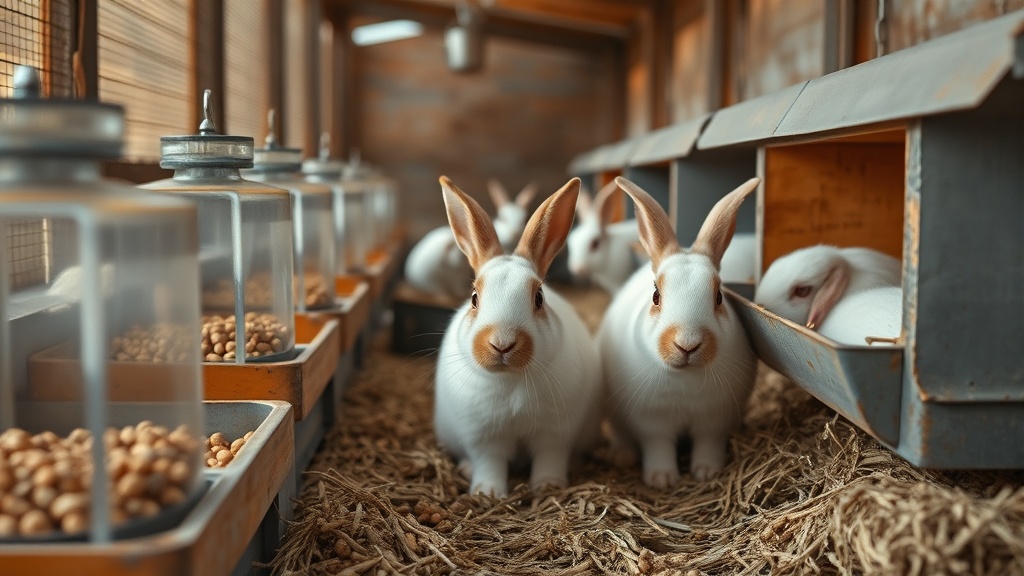
5 Common Domestic Rabbit Care Mistakes — Hutches, Hay, Pellets, Grooming, and Better Alternatives
As a domestic rabbit owner and longtime enthusiast, I’ve seen and made my fair share of mistakes in rabbit care. Rabbits may look like low-maintenance pets, but their needs are often misunderstood — particularly when it comes to their housing, diet, and grooming. Over the years, I’ve tested and researched countless products and care methods to separate common misconceptions from effective practices backed by veterinary and animal welfare recommendations.
In this article, I’ll walk through five common mistakes that many rabbit owners make, plus better alternatives I recommend based on experience and solid evidence. Whether you’re a new bunny parent or looking to improve your rabbit’s wellbeing, this guide will help you make informed decisions to keep your fluffball happy and healthy.
Mistake 1: Using Small or Wire-Floored Hutches
Many new owners grab a wire-bottom hutch or a small cage because it seems convenient and easy to clean. However, wire flooring can hurt your rabbit’s sensitive feet, leading to painful sores and infections called sore hocks (pododermatitis). Additionally, tiny hutches don’t provide enough room for rabbits to exercise and express natural behaviors like hopping or stretching.
Better Alternative — Spacious, Solid-Floor Housing
Ideally, your rabbit’s hutch should have a solid floor lined with soft bedding or mats like fleece or hay. The enclosure must be large enough to let your rabbit hop at least 3–4 times in a row — usually, a minimum of 12 sq ft of living space within a secure pen or hutch is recommended. I’ve found that enclosures like the SOCUTE Indoor Outdoor Rabbit Hutch with Exercise Pen - check price on Amazon offer a good balance of space and protection, featuring solid floors and easy access for cleaning.
When setting up the hutch, creating a separate sleeping area with hay bedding gives your rabbit a cozy retreat. It’s also important to add an exercise area or run — my rabbits benefit hugely from daily supervised playtime outside the hutch, allowing them mental stimulation and movement.
Mistake 2: Feeding Limited or Low-Quality Hay
Hay is the cornerstone of domestic rabbit diets, yet many owners stick to a single type, or neglect to provide unlimited access. Some feed only pellet mixes or commercial “rabbit food” blends, which are often too carbohydrate-heavy and low in fiber. Low-quality hay full of dust or mold can also cause respiratory issues and digestive problems.
Better Alternative — A Variety of Fresh, High-Quality Fresh Hay
The best practice is to provide unlimited access to fresh Timothy hay or meadow hay every day. Timothy hay is high in fiber, which keeps your rabbit’s gut moving smoothly and supports dental health. For young rabbits or those with specific dietary needs, alfalfa hay can be included – but only in moderation due to its high calcium content.
In my research, Oxbow Timothy Hay - check price on Amazon consistently ranks as one of the highest-quality, dust-free hays available. You can mix it with some orchard grass or oat hay to add variety and encourage natural foraging behavior.
Avoid feeding hay generously coated with dust or mold, which can irritate your rabbit’s lungs and cause silicosis or other health issues. Regularly inspect and replace hay to ensure freshness.
Mistake 3: Overfeeding Pellets or Using Poor-Quality Pellets
Pellets are convenient and provide concentrated nutrition, but many people over-rely on them or choose pellets with fillers, artificial colors, and low fiber content. Overfeeding pellets can lead to obesity, dental problems, and digestive illnesses like GI stasis.
Better Alternative — Limited Portion of High-Fiber Pellets
Pellets should be secondary to hay and fresh vegetables in your rabbit’s diet. A general guideline is 1/8 to 1/4 cup per 5 pounds of body weight daily. Products like Oxbow Essentials Adult Rabbit Food - check price on Amazon are formulated with proper fiber levels and no artificial additives, making them a safer choice.
For rabbits with special needs (older or overweight bunnies), pellets with additional fiber or lower calorie content are available. Always check the ingredients list for quality — avoid pellets with corn, wheat middlings, or seeds.
Mistake 4: Neglecting Routine Grooming and Nail Care
Rabbits naturally groom themselves but often owners assume this is enough. Many don’t realize that regular brushing is critical to prevent serious problems caused by ingestion of excessive fur, leading to hairballs or even intestinal blockages. Additionally, long nails can affect posture and cause injury.
Better Alternative — Establish a Grooming Routine
Brushing your rabbit at least once a week, or more often during shedding season, helps remove loose fur and reduces hair ingestion. For long-haired breeds like Angoras, daily grooming is necessary. I recommend a slicker brush and grooming comb designed for small pets. The JW Pet Gripsoft Slicker Brush - check price on Amazon is a good tool I’ve used for consistent results.
Nail trimming is another essential part of grooming. If you’re uncertain or uncomfortable trimming nails yourself, many vets and groomers offer this service. Otherwise, use a specialized small animal nail clipper, like the Safari Professional Nail Clipper - check price on Amazon, and be cautious to avoid the quick.
Mistake 5: Ignoring the Importance of Environmental Enrichment
Rabbits not only need proper diet and space but mental stimulation, too. A common mistake is housing rabbits without toys, chew items, or stimulation, which can lead to boredom, destructive behavior, or depression.
Better Alternative — Provide Safe Toys and Chewing Opportunities
Providing chew-safe toys, tunnels, cardboard boxes, and untreated wooden blocks enriches your rabbit’s environment. Items like the Rosewood Rabbit Wonder Tunnel - check price on Amazon encourage natural burrowing and hiding behaviors.
Also, rotating toys regularly keeps your rabbit interested, reducing repetitive or destructive habits. You can also DIY enrichment with safe household items like paper towel tubes stuffed with hay.
Summary Comparison Table: Common Mistakes vs. Better Care Practices
| Care Aspect | Common Mistake | Better Alternative | Recommended Product Example |
|---|---|---|---|
| Housing | Small wire-bottom hutch | Spacious solid-floor hutch & exercise pen | SOCUTE Indoor Outdoor Rabbit Hutch - check price on Amazon |
| Hay | Single low-quality hay or no hay | Unlimited fresh Timothy/meadow hay variety | Oxbow Timothy Hay - check price on Amazon |
| Pellets | Overfeeding or poor-quality pellets | Limited high-fiber pellets | Oxbow Essentials Adult Rabbit Food - check price on Amazon |
| Grooming | Irregular brushing and nail trimming | Weekly brushing, regular nail trims | JW Pet Gripsoft Slicker Brush - check price on Amazon |
| Environmental Enrichment | No toys or chewing items | Safe chew toys, tunnels, and cardboard enrichment | Rosewood Rabbit Wonder Tunnel - check price on Amazon |
FAQ: Domestic Rabbit Care
Q: How much hay should my rabbit eat daily?
A: Hay should be unlimited — it’s the foundation of your rabbit’s diet. Provide fresh, quality hay daily and monitor freshness to prevent mold.
Q: Can I free-roam my rabbit in the house?
A: Free-roaming can be fine if the environment is rabbit-proofed (wired cords, toxic plants removed) and supervised. Exercise pens or bunny-proofed rooms are safer options for unsupervised time.
Q: How often should I groom my rabbit?
A: At least once a week for short-haired breeds; daily during shedding or for long-haired rabbits to avoid fur ingestion and matting.
Q: What signs indicate my rabbit’s hutch is too small?
A: Signs include lack of movement, reluctance to hop, restlessness, or chewing bars excessively. Rabbits should be able to hop several times and stretch fully inside.
Q: Are homemade rabbit pellets or mixes safe?
A: Homemade mixes are risky without proper knowledge of nutritional balance. Store-bought high-fiber commercial pellets are a safer and proven option.
Owning a rabbit is rewarding, but it requires commitment and good practices to meet their complex needs. Avoiding these common mistakes and following my recommended alternatives can improve your rabbit’s health and happiness significantly. Over time, your bunny will thank you with their vibrant energy, healthy coat, and affectionate behavior.