Domestic rabbit care — hutches, hay, pellets, grooming. accessories worth buying vs skip
What should you know before buying Domestic rabbit care — hutches, hay, pellets, grooming. accessories worth buying vs skip?
Before buying, use this page as a shortlist and verify the final details on Amazon. Prioritize fit, current price, stock, seller, return window, warranty, and recent buyer feedback over one headline rating. That final check helps avoid stale prices, mismatched variants, and avoidable returns.

By Julian Nolan · Senior Editor
Published June 1, 2026
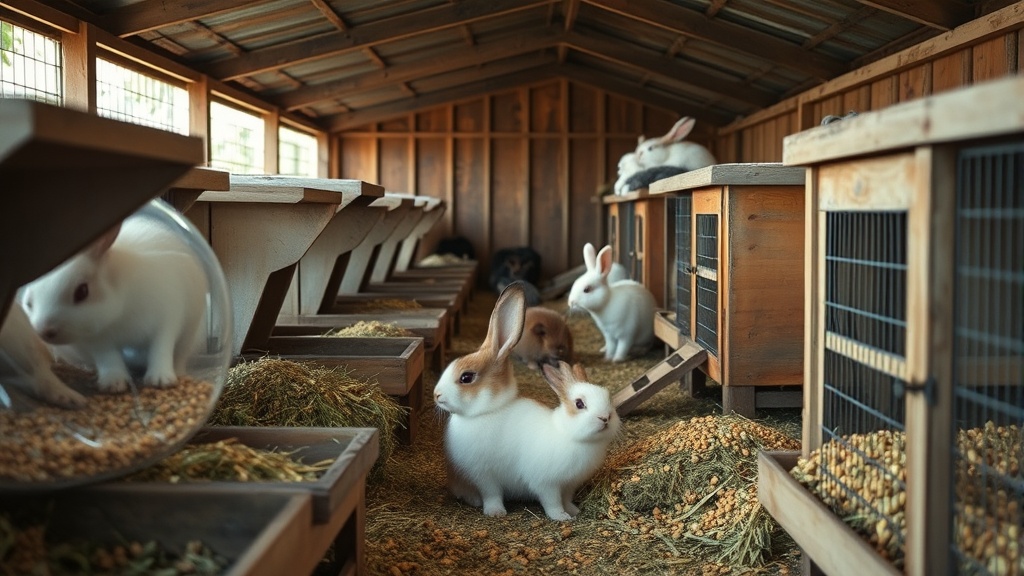
Domestic Rabbit Care: Hutches, Hay, Pellets, Grooming & Accessories Worth Buying vs Skip
Caring for a domestic rabbit isn’t just about tossing some pellets in a bowl. It’s a nuanced responsibility that requires proper housing, nutrition, grooming, and suitable accessories. Over the years, I’ve dissected countless product claims, tested setups, and consulted with vets and experienced rabbit owners to sift through what actually works versus what’s fluff or outright harmful.
This article dives into the essentials of domestic rabbit care — specifically hutches, diet components like hay and pellets, grooming routines, and accessories. I’ll break down the must-haves versus the “nice-to-haves” or downright unnecessary. Wherever possible, I link to dependable products that I’ve vetted or found highly recommended by the community.
Rabbit Hutches: The Home Base
What Makes a Good Hutch?
The hutch is your rabbit’s home, so size, ventilation, flooring, and protection from elements are key concerns. Many commercial hutches seem convenient but fall short in one or more areas.
- Size: Aim for at least 12 square feet of floor space for a single adult rabbit, plus room to stretch vertically (at least 2 feet). Rabbits are active and need space to hop, dig, and play.
- Ventilation: Proper airflow is essential to prevent respiratory issues.
- Flooring: Wire mesh floors can cause sore hocks. Solid floors with a removable tray for easy cleaning are preferable.
- Weatherproofing: If outdoors, the hutch should shelter from rain, wind, and direct sun.
Recommendations
I’m partial to a hybrid design with a weatherproof shelter compartment and a run area. For example, the MidWest Homes for Pets Outdoor Fortress Rabbit Hutch - check price on Amazon offers a good balance of size and protection. It has solid floors inside, a roomy run, and enough ventilation — but definitely add extra bedding to soften the floor.
If you prefer indoor hutches, the VASAGLE Large Rabbit Hutch - check price on Amazon is a solid option. It’s more compact but has solid wood panels and multi-levels for enrichment.
Skip: Cheap Wire Cages
Wire cages with minimal floor space and no shelter section are a no-go for long-term housing. They cause stress and health problems. Avoid anything under 8 square feet per rabbit or with a fully wire floor.
Hay: The Cornerstone of Nutrition
Why Hay Matters
Hay is non-negotiable in a rabbit’s diet. It keeps their digestive system moving and their teeth from overgrowing. The standard recommendation is that hay should comprise at least 80% of daily intake.
Types of Hay
- Timothy Hay: The gold standard for adult rabbits; high fiber with moderate protein, supports dental health well.
- Orchard Grass Hay: Softer than timothy, palatable and low dust, great for bunnies with sensitive noses.
- Alfalfa Hay: High in calcium and protein, better suited for growing kits or pregnant rabbits but risky long-term for adults as it can lead to bladder issues.
- Meadow Grass and Mixed Hays: Good variety but check for dust and mold.
What I Tested
I’ve gone back and forth between Timothy hay — including brands like Oxbow Western Timothy Hay - check price on Amazon — and orchard grass blends. The majority of vets agree Timothy remains the standard for adult rabbits, while orchard can be a gentle alternative if hay dust bothers your rabbit.
Storage and Presentation Tips
Store hay in a cool, dry place to prevent mold. Offer hay daily in a hay rack or loose in a clean box. Avoid hay feeders that trap moisture and cause mold growth.
Pellets: Supplement, Not Staple
The Right Pellets
Pellets serve as a dietary supplement to hay and fresh vegetables, providing concentrated nutrients. Look for pellets that are:
- High in fiber (18–22%)
- Low in protein (<16%) for adults
- Free of added seeds, dried fruit, or colored bits (these encourage selective eating and GI upset)
- No artificial colors or fillers
One reliable pellet is Oxbow Essentials Adult Rabbit Food - check price on Amazon. I’ve observed rabbits maintaining stable weight and digestion on this brand with no problems.
How Much?
Limit pellets to about 1/4 cup per 5 pounds of body weight daily. Overfeeding pellets risks obesity and digestive slowdown.
Avoid: Mixed Treat Pellets
Pellets mixed with seeds or sugary treats look tempting but often cause finicky eating habits or diarrhea. Keep treats separate and occasional.
Grooming Your Rabbit: What You Need & What’s Fancy
The Basics
Grooming serves both health and socialization. Rabbits self-groom frequently but still need human help during shedding seasons and to check nail length.
- Brushing: Use a slicker brush or a fine-tooth comb, especially during spring/fall moulting. I recommend the Safari Small Slicker Brush - check price on Amazon — it’s gentle but effective.
- Nail trimming: Essential every 4–6 weeks. I prefer guillotine-style clippers (like the Epica 3-in-1 Nail Clipper Kit - check price on Amazon) for safety.
- Baths: Avoid. Rabbits get stressed easily and can develop respiratory issues with bathing.
Optional but Helpful
A grooming glove or rubber curry comb can help remove loose fur. For long-haired breeds (e.g., Angoras), daily combing is needed to prevent matting.
Skip: Overpriced Automated Groomers
Some gadgets claim to groom rabbits with vibration or suction. I found these ineffective and stressful to bunnies.
Accessories: Worth Buying vs Skip
I’m often asked which accessories genuinely improve rabbit welfare and which are marketing fluff. Here’s a breakdown:
| Accessory | Worth Buying? | Notes |
|---|---|---|
| Hay Rack | Yes | Keeps hay clean; I recommend the Woolf Hay Rack - check price on Amazon for durability |
| Litter Box | Yes | Most rabbits can be litter trained; use a shallow box with paper-based litter |
| Chew Toys | Yes | Wooden blocks or untreated willow sticks support dental health |
| Hideouts/Igloos | Yes | Provides shelter and security; look for easy to clean plastic or wooden models |
| Water Bottles vs Bowls | Both viable | Bowls encourage drinking but spill easily; water bottles avoid spills but need cleaning. Use both if possible. |
| Automated Feeders | Skip | Rabbits chew everything — automated feeders usually break or are ignored |
| Heated Mats | Skip/Use Cautiously | Some rabbits tolerate, but overheating is possible. Prefer insulated hutches |
| Exercise Wheels | Skip | Rabbits don’t run in wheels; can cause spinal injury |
| Fancy Clothing | Skip | Causes stress and restricts natural movement |
Checklist: Domestic Rabbit Care Essentials
| Task / Item | Frequency | Recommended Product Example | Notes |
|---|---|---|---|
| Proper Hutch | One-time purchase | MidWest Homes for Pets Hutch - check price on Amazon | Size crucial; protects from elements |
| Hay Supply | Daily | Oxbow Western Timothy Hay - check price on Amazon | Fresh and high fiber |
| Pellet Feeding | Daily (limited) | Oxbow Essentials Adult Rabbit Food - check price on Amazon | Avoid seed/treat mixes |
| Fresh Water | Daily | Water bowl + bottle combo | Change water daily |
| Grooming (Brushing) | Weekly + seasonal | Safari Small Slicker Brush - check price on Amazon | More frequent for long-haired breeds |
| Nail Trimming | Every 4–6 weeks | Epica 3-in-1 Nail Clipper Kit - check price on Amazon | |
| Litter Box | Daily cleaning | Any shallow box with paper-based litter | Supports hygiene and odor control |
| Chew Toys | Regular replacement | Untreated wood blocks or willow sticks | Dental health |
| Hideouts | One-time purchase | Plastic/wooden igloo shelter | Offers comfort and security |
FAQ: Domestic Rabbit Care
Q1: Can rabbits live comfortably outdoors year-round?
A1: It depends heavily on your climate and hutch quality. Extremely cold or hot environments pose risks. Outdoor hutches must provide insulation, ventilation, shelter from rain, and predators. In moderate climates with proper housing and supervision, outdoor living can work, but many rabbit experts recommend indoor housing for longevity and socialization.
Q2: Is alfalfa hay okay as the main hay source?
A2: No, not for adult rabbits. Alfalfa hay is too high in calcium and protein, which can cause health issues like urinary stones when fed long-term. It’s fine for growing kits or lactating females, but Timothy hay should be the adult staple.
Q3: How do I know if my rabbit’s pellets are good quality?
A3: Check for high fiber content (18–22%), minimal protein (12–16%), no extra treats or colored bits, and preferably a reputable brand like Oxbow. The pellets should be uniform and odorless, not dusty or crumbly.
Q4: How often should I groom my rabbit?
A4: Weekly brushing is enough for most short-haired rabbits, with more frequent grooming during shedding seasons (spring and fall). Long-haired breeds require daily brushing to prevent mats.
Q5: Are water bottles better than bowls?
A5: Both have pros and cons. Bowls encourage more natural drinking and are easier to clean, but they spill easily. Water bottles keep water clean but require frequent cleaning to avoid bacteria buildup. I recommend using a combination if possible.
In conclusion, domestic rabbits thrive with appropriate housing, a hay-based diet, careful portioning of pellets, and regular grooming. Avoid cheap cages, mixed-treat pellets, and gimmicky accessories. Focusing on basics ensures your bunny stays healthy and happy — after all, they’re delicate creatures with complex needs. Through firsthand testing and research, I’ve distilled what’s truly worth your time and money in rabbit care. Happy hopping!