Automatic rabbit waterers that don't freeze in winter
What should you know before buying Automatic rabbit waterers that don't freeze in winter?
Before buying, use this page as a shortlist and verify the final details on Amazon. Prioritize fit, current price, stock, seller, return window, warranty, and recent buyer feedback over one headline rating. That final check helps avoid stale prices, mismatched variants, and avoidable returns.

By Clara Hutch · Staff Writer
Published June 1, 2026
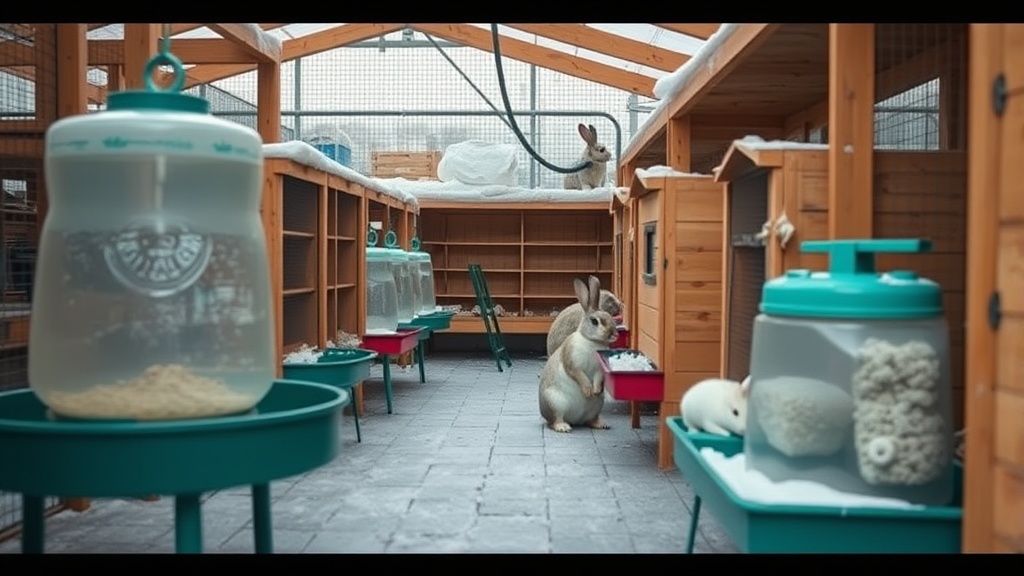
Automatic rabbit waterers that don’t freeze in winter are essential for rabbit owners in cold climates to keep their pets hydrated and healthy year-round. Choosing the right waterer can prevent the common issue of frozen water disrupting your rabbit’s daily water intake during freezing temperatures.
Key takeaways
- Automatic rabbit waterers with insulated or heated features prevent freezing and maintain water flow in winter.
- Material durability and ease of cleaning are important factors when selecting a waterer for rabbits.
- Options include heated buckets, insulated bowls, and no-spill nipple drinkers with added heating elements.
- Proper installation and power supply are crucial to ensure the freeze-prevention features work reliably.
- Consider maintenance, safety, and suitability for your rabbit breed when choosing a winter waterer.
Why standard rabbit waterers freeze in winter
Traditional rabbit waterers, such as open bowls or basic automatic dispensers, rely on ambient temperatures and have no built-in mechanisms to keep water from freezing. Below 32°F (0°C), water can quickly freeze inside open containers or narrow tubing. This stops water flow and can endanger rabbits by limiting their access to hydration. Because rabbits require consistent water intake to aid digestion and prevent health problems, preventing freezing is critical in cold climates.
Features to look for in an automatic rabbit waterer for winter use
When shopping for an automatic waterer that won’t freeze in winter, pay close attention to the following features:
- Heating elements: Integrated electric heating or heat mats designed specifically to keep water at near-freezing but liquid temperature.
- Insulation: Double-walled containers or insulated housings prevent heat loss and slow freezing.
- Nipple or no-spill design: Reduces surface area exposure and prevents water from freezing quickly compared to open bowls.
- Durable materials: Heavy-duty plastics, stainless steel, or materials resistant to cold cracking or warping.
- Ease of cleaning: Removable parts and dishwasher-safe components help maintain hygiene.
- Power supply: Reliable options include AC adapters, battery-powered heaters, or USB-powered devices; availability of power source near the enclosure is a consideration.
- Capacity: Larger water reservoirs reduce the frequency of refills and help maintain temperature longer.
Types of automatic winter waterers for rabbits
Heated bucket waterers
These waterers have a built-in heating element at the base, keeping the water slightly above freezing. Often made of heavy plastic or stainless steel, they come in sizes typically ranging from 1 to 5 gallons. The large capacity minimizes refills, and the heating mechanism ensures no ice block forms. However, they require a nearby power outlet and can be bulkier.
Insulated bowl or trough waterers
Constructed with double walls or insulated casing, these waterers retain heat longer but often need supplemental heating in extremely cold climates. They are simple to use and usually don’t need electrical power, relying on insulation and sometimes placing the bowl inside a sheltered area.
No-spill nipple waterers with heating attachments
Nipple drinkers restrict the exposed water surface, reducing freezing likelihood. Some models come with or can be fitted with heating cables or pads around the reservoir or tubing. These are favored in hutches or cages where water spillage is a concern.
Heated pet water mats or bowls
Heating mats placed underneath a regular water bowl maintain temperature by warming from below. This solution requires a heated base mat matched with a durable bowl and is usually suited for indoor or sheltered outdoor rabbit enclosures.
Installation and maintenance tips for winter rabbit waterers
- Ensure proper power source: If using electric heaters, confirm your outdoor setup supports safe power access with weatherproof cords and outlets.
- Positioning: Place the waterer in a sheltered area away from direct wind and precipitation to improve heating efficiency.
- Regular inspection: Check the heater function daily and confirm water is flowing freely.
- Clean frequently: Prevent biofilm, algae, and debris buildup by washing components weekly or more often.
- Backup water source: In case of power failure, a manual waterer or regularly refreshed bowls should be available to avoid dehydration.
Comparison Table of Popular Automatic Rabbit Waterers That Don’t Freeze in Winter
| Type | Heating Method | Water Capacity | Power Source | Pros | Cons | Best Use Case |
|---|---|---|---|---|---|---|
| Heated Bucket Waterer | Internal electric heater | 1–5 gallons | AC adapter | Large volume; reliable heating | Requires power outlet; bulky | Outdoor hutches with power |
| Insulated Bowl Waterer | Insulation only | 1–2 gallons | None | No power needed; simple | Can freeze in extreme cold; smaller volume | Indoor or mild winter climates |
| Heated Nipple Waterer | Electric heating pads | Varies | AC/Battery | Minimal spillage; temperature control | More complex setup; costs more | Cages, small enclosures |
| Heated Pet Water Mat + Bowl | Heat mat under bowl | 1–2 gallons | AC adapter/USB | Portable; easy retrofit | Only warms bottom; limited insulation | Indoor or sheltered use |
How to choose the right automatic winter waterer for your rabbit
Start by assessing your climate zone and the expected cold temperature range. If you encounter severe freezes regularly, heated bucket waterers or heated nipple drinkers with electric heating are more reliable investment options.
Evaluate your rabbit enclosure setup—do you have access to power outdoors, or must you rely on non-electric solutions? If power access is limited, insulated bowl waterers combined with shelter may be sufficient for moderate climates.
Consider your rabbit’s drinking habits and space constraints. Some rabbits prefer open bowls, while others adapt well to nipple drinkers. Ensure the waterer you choose matches your rabbit’s comfort and reduces spills or contamination.
Finally, factor in your maintenance willingness. Heating elements and electrical components will require routine checks and cleaning for safe operation.
FAQ
How can I prevent my rabbit’s water from freezing in winter without electricity?
Without electrical heating, insulated waterers combined with placing water bowls inside sheltered, wind-protected areas can delay freezing. Using smaller insulated bottles with thick walls or burying water containers partially underground can also help. Frequent checking and refilling with warm water is necessary in climates with extended freezing temperatures.
Are heated rabbit waterers safe for my pet?
Heated waterers designed for animals typically have safety certifications and built-in protections against overheating. Ensure you purchase models specifically made for small pets, keep electrical cords away from chew damage, and inspect devices regularly for wear. Proper installation minimizes risk.
Can I use regular heated pet water bowls for rabbits?
Many heated pet bowls are suitable but verify the bowl size and nipple type (if applicable) meet your rabbit’s drinking behavior. Heated water mats designed for cats or dogs can work if sized properly, but ensure they don’t get too hot for delicate rabbit paws.
How often should I change water in automatic winter waterers?
Even with heating, replace water at least once daily to ensure freshness and hygiene. Warmer water can accelerate bacteria growth, so frequent cleaning and refilling reduce risk of illness.
What signs indicate my rabbit is not drinking enough water in winter?
Watch for dry or pasty feces, lethargy, decreased appetite, or unusual behavior, which can indicate dehydration. Check water devices immediately if you notice these signs and provide manual water access as needed.
Choosing the right automatic waterer that won’t freeze in winter helps maintain your rabbit’s well-being with minimal effort. By considering heating type, insulation, power needs, and cleaning ease, you can provide reliable hydration throughout cold months.