Best outdoor rabbit hutches for meat production in cold climates
What are the best outdoor rabbit hutches for meat production in cold climates?
- A pick that matches the primary use case.
- A listing with clear sizing or compatibility details.
- A product with recent buyer feedback and fewer repeat complaints.
- An Amazon page with current stock, shipping, and return details.

By Clara Hutch · Staff Writer
Published June 1, 2026
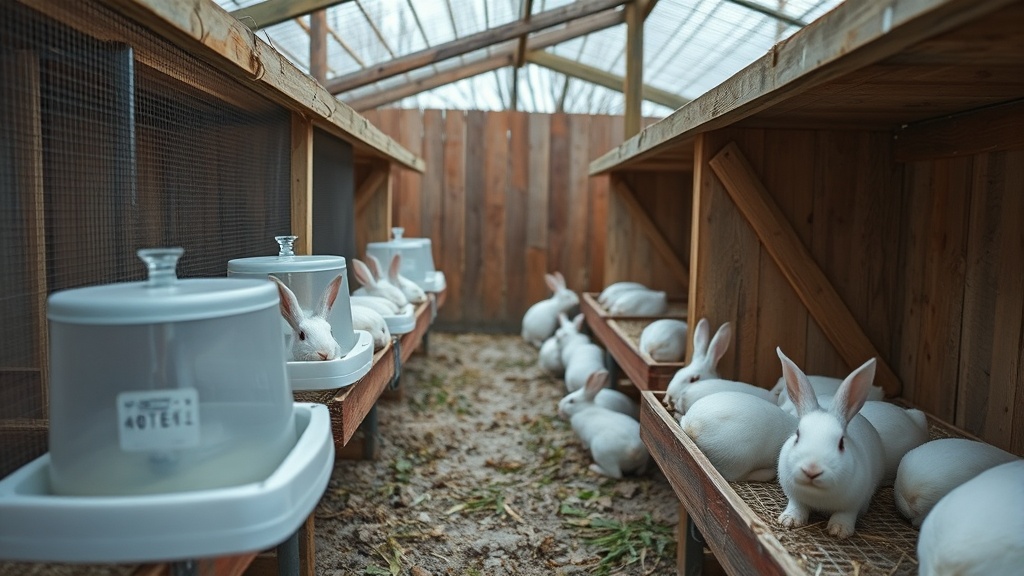
The best outdoor rabbit hutches for meat production in cold climates combine durability, insulation, and sufficient space to keep rabbits healthy and productive year-round. Choosing the right hutch helps maintain consistent growth rates and welfare during harsh winter months, ensuring your meat rabbits thrive when temperatures drop.
Key takeaways
- Insulation and weatherproofing are crucial to protect meat rabbits from cold temperatures and moisture.
- Hutches should provide adequate ventilation without drafts to maintain air quality and prevent respiratory issues.
- Size and layout must accommodate meat rabbits’ growth and allow for easy cleaning and feeding.
- Sturdiness and predator protection are essential to keep rabbits safe outdoors.
- Multiple-level or modular designs can improve space efficiency and husbandry practices.
Why cold climate considerations matter for meat rabbit hutches
Raising meat rabbits in cold climates presents unique challenges. Rabbits are sensitive to drafts and wet conditions but generally tolerate cooler temperatures better than heat. Nevertheless, prolonged exposure to cold without proper shelter stresses their immune systems, slows growth rates, and can increase mortality. An outdoor hutch designed specifically for cold environments must balance warmth retention with airflow, protect from wind and snow, and ensure dryness. Without this, production efficiency and animal welfare decline noticeably.
Key features of the best outdoor rabbit hutches for cold climates
1. Insulation and materials
High-quality insulation helps retain body heat and buffers external temperature fluctuations. Popular insulation methods include double-walled construction filled with foam or rigid panels and insulated roofing. Wood is a common base material due to its natural thermal properties but requires weatherproof finishes or sealants. Metal and plastic options often need additional insulation layers. Wire mesh flooring or walls should be minimized or covered with solid panels to reduce heat loss.
2. Ventilation without drafts
Adequate ventilation reduces ammonia buildup and moisture that can lead to respiratory illness. However, cold drafts directly hitting rabbits cause chilling and stress. The best hutches incorporate adjustable vents positioned to allow air exchange while blocking winds, often with near-floor vents shielded by baffles or shutters.
3. Size and interior layout
Meat rabbits require larger spaces than pet varieties to grow efficiently. A minimum of 2 to 4 square feet per rabbit is recommended depending on breed and age. Multi-level or tiered hutches maximize space on smaller footprints and separate resting, feeding, and waste areas. Solid floors and removable trays streamline cleaning—critical in cold weather to avoid moisture buildup.
4. Predator protection
Cold climates can still harbor predators like foxes, raccoons, and birds of prey. Strong wire mesh, secure door latches, and raised hutches help prevent attacks. A fully enclosed sleeping box shields rabbits from wind and provides a secure retreat.
5. Ease of maintenance
Consistent care is necessary to monitor health, replenish feed, and clean shelters. Hutches designed with slide-out trays, hinged doors, and accessible water and feeder holders reduce labor and stress on animals during cold months.
Comparison checklist of popular cold climate rabbit hutches
| Feature | Hutch A | Hutch B | Hutch C | Hutch D |
|---|---|---|---|---|
| Insulated walls | Double plywood + foam panel | Polycarbonate insulated panels | Solid wood + reflective barrier | Metal frame + foam insert |
| Ventilation | Adjustable side vents w/ shields | Front vent with baffles | Top ventilation with draft cover | Fixed vents on sides |
| Floor type | Solid wood base with wire mesh over | Raised solid floor with removable tray | Wire mesh floor with removable tray | Raised plastic floor |
| Size per rabbit (sq ft) | 3 sq ft | 4 sq ft | 2.5 sq ft | 3.5 sq ft |
| Predator-proof features | Locking latches + elevated | Reinforced mesh + cage door latch | Raised cage + multiple lock points | Steel mesh + sliding door locks |
| Weatherproof roofing | Sloped asphalt shingles | Polycarbonate panels | Metal sheet + insulation | Rubber membrane + foam |
| Ease of cleaning | Slide-out tray + hinged door | Removable tray + large door | Pull-out trays + top hatch | Removable bins + front access |
Tips for optimizing meat rabbit housing in cold climates
- Elevate hutches at least 6-12 inches off the ground to reduce moisture and draft exposure.
- Use deep bedding (straw or hay) inside enclosed boxes to provide extra warmth.
- Orient the hutch to shield from prevailing winds—typically placing the closed side facing the coldest direction.
- Supplement with heat lamps or thermal pads cautiously and only when necessary as heat sources can cause safety hazards.
- Rotate cleaning routines to ensure urine-soaked materials are removed promptly, helping maintain dry conditions inside.
Frequently Asked Questions about outdoor rabbit hutches for meat production in cold climates
How warm does a rabbit hutch need to be in winter for meat rabbits?
Rabbits can handle temperatures down to about 20°F (-6°C) if kept dry and sheltered, but growth may slow below 40°F (4°C). Aim to keep hutches above freezing by using insulating materials, deep bedding, and wind protection.
Can you keep meat rabbits outside year-round in cold climates?
Yes, with suitable housing that provides insulation, draft protection, and waterproofing. However, some rabbit producers prefer bringing hutches indoors during extreme weather or provide supplemental heat to ensure productivity.
What is the recommended minimum space per meat rabbit for outdoor hutches?
At least 2 square feet per growing rabbit is the bare minimum, but 3-4 square feet promotes better growth and welfare, especially outdoors where activity and feeding areas should be separate.
How often should outdoor rabbit hutches be cleaned in winter?
Cleaning once or twice a week is typical; more frequent spot cleaning to remove wet bedding or waste helps prevent cold-related health problems.
Are raised or ground-level hutches better for cold climates?
Raised hutches provide better air circulation, reduce moisture, and keep rabbits away from cold, damp soil, making them preferable in cold and wet climates.
Choosing the best outdoor rabbit hutch for meat production in cold weather means prioritizing insulation, ventilation, predator safety, and ease of care. Proper shelter supports animal health and consistent meat yields even in challenging winter conditions. This investment ultimately pays off through better growth rates, fewer illnesses, and smoother husbandry.