Gravity feeders vs hopper feeders for breeding does
What should you know before buying Gravity feeders vs hopper feeders for breeding does?
Before buying, use this page as a shortlist and verify the final details on Amazon. Prioritize fit, current price, stock, seller, return window, warranty, and recent buyer feedback over one headline rating. That final check helps avoid stale prices, mismatched variants, and avoidable returns.

By Clara Hutch · Staff Writer
Published June 1, 2026
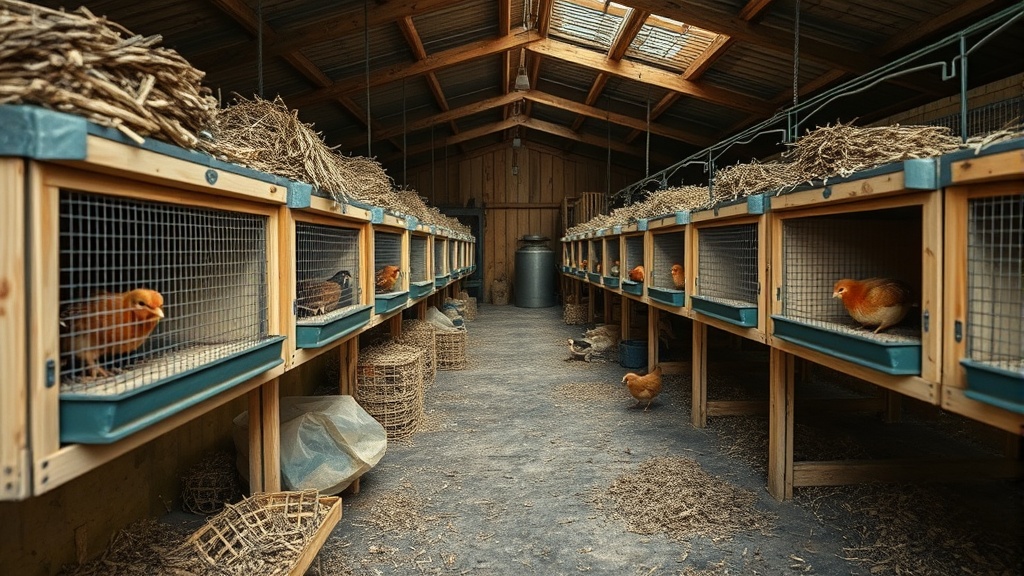
Feeding breeding does efficiently and safely is crucial to maintaining their health and productivity. Gravity feeders vs hopper feeders for breeding does are common options, each with distinct advantages and limitations depending on your setup and management style.
Key takeaways
- Gravity feeders rely on simple gravity to dispense feed, offering consistent delivery but limited feed protection.
- Hopper feeders provide a covered storage area that helps keep feed clean and dry, reducing waste.
- For breeding does, preventing contamination and allowing controlled intake is vital, areas where hopper feeders typically excel.
- Choosing the best feeder depends on your herd size, feeding routine, and whether you need automated or manual feeding.
- Maintenance, cost, and feeder material are important considerations to ensure longevity and ease of cleaning.
Understanding Gravity Feeders
Gravity feeders operate on a straightforward principle: feed stored in a reservoir flows downward into the feed tray as the animals consume it. This design grants feeders a simple, no-moving-parts setup that reduces mechanical failure risk. With gravity feeders, does can eat almost continuously as feed replenishes automatically from the upper chamber.
Advantages of Gravity Feeders for Breeding Does
- Simplicity: Minimal components make these feeders easy to clean and maintain.
- Continuous Feed Supply: The constant availability of feed helps reduce aggressive competition among does.
- Cost-Effective: Typically less expensive up front compared to hopper feeders.
Disadvantages of Gravity Feeders
- Exposure to Elements: Open designs can allow feed to get wet or contaminated with debris and feces.
- Feed Waste: Loose feed can spill easily, leading to waste, which is critical to avoid with sensitive breeding animals.
- Limited Feed Intake Control: Breeding does may overeat unless supplementary management strategies are used.
Advantages of Hopper Feeders for Breeding Does
Hopper feeders consist of a covered container that stores feed above a trough or dispensing area. The design is typically enclosed, helping protect feed from moisture, dirt, and pests. The feed is released as does eat, ensuring a reservoir of fresh feed is always available but less exposed.
Benefits Specific to Breeding Does
- Feed Protection: Hopper feeders limit the exposure of feed to environmental contaminants, an important factor in maintaining doe health during pregnancy or lactation.
- Reduced Feed Waste: Covered hoppers help prevent spillage and contamination, conserving feed and reducing mess.
- Better Feed Intake Management: Many hopper feeders allow more precise monitoring and can be paired with automated dispensing to control rations.
- Ease of Cleaning: Enclosed design typically means less feed gets stuck outside the feeder area.
Possible Drawbacks
- Higher Initial Cost: Hopper feeders tend to be pricier due to more complex design.
- More Components to Maintain: Hinges, lids, and other parts may need occasional repair.
- Potential for Mold Growth: If not properly ventilated and cleaned, hopper feeders can trap humidity, encouraging mold.
Factors to Consider When Choosing Between Gravity and Hopper Feeders
Several key elements influence which feeder type works best for your breeding does:
| Factor | Gravity Feeders | Hopper Feeders |
|---|---|---|
| Feed Protection | Minimal; feed exposed to environment and contamination | Good; closed design protects feed from weather and pests |
| Feed Waste Potential | Higher; spillage common | Lower; controlled dispensing reduces spillage |
| Ease of Cleaning | Simple; open design allows easy access | Moderate; enclosed parts require more detail cleaning |
| Cost and Durability | Lower initial cost, fewer parts to break | Higher cost, more durable if maintained |
| Feeding Control | Limited; feed always available | Better; easier to regulate feed rationing |
| Suitability for Breeding Does | Adequate for small herds or supervised feeding | Ideal for larger herds or where feed hygiene is critical |
| Automation Compatibility | Limited | More compatible with automated feeders |
Practical Tips for Using Feeders With Breeding Does
- Position feeders off the ground to minimize contamination from dirt or feces.
- Regularly clean feeders to prevent mold, bacterial growth, and pests.
- Monitor feed intake closely, especially during pregnancy and early lactation.
- Use feeders with partitions or multiple feeding spaces to reduce competition and stress among does.
- Consider feeder size to fit your herd’s daily feed requirements without frequent refilling.
- Combine feeders with controlled feeding schedules for optimal health and weight maintenance in breeding does.
Summary
Both gravity and hopper feeders offer viable solutions for feeding breeding does, but each has pros and cons to weigh. Gravity feeders are simple and economical, appropriate for smaller herds or more hands-on management. Hopper feeders provide enhanced feed protection and control, catering well to larger operations or where feed hygiene is paramount. Evaluating your herd size, management capacity, and environmental conditions will guide you toward the feeder system best suited to supporting your breeding does’ nutrition and wellbeing.
FAQ
What are the main differences between gravity feeders and hopper feeders for breeding does?
Gravity feeders dispense feed by gravity into an open trough, offering simplicity but less feed protection. Hopper feeders store feed in a covered container, protecting feed from moisture and pests and often reducing waste.
Which feeder type is better for preventing feed contamination?
Hopper feeders are generally better at keeping feed clean and dry due to their enclosed design, making them a preferred option for breeding does who require high feed hygiene.
Can gravity feeders cause feed waste in breeding does?
Yes, because the feed is exposed in gravity feeders, spillage and contamination can occur, leading to higher feed waste compared to hopper feeders.
Is it necessary to clean hopper feeders regularly?
Yes, regular cleaning is essential to prevent mold and bacterial growth inside the enclosed feeder, ensuring feed remains safe and fresh for breeding does.
Can I use both gravity and hopper feeders together?
Yes, combining feeder types can optimize feeding – for instance, using hopper feeders for daily rationing and gravity feeders for supplemental feeding under supervision.