Indoor stacking cages vs colony pens for small-scale rabbitries
What should you know before buying Indoor stacking cages vs colony pens for small-scale rabbitries?
Before buying, use this page as a shortlist and verify the final details on Amazon. Prioritize fit, current price, stock, seller, return window, warranty, and recent buyer feedback over one headline rating. That final check helps avoid stale prices, mismatched variants, and avoidable returns.

By Clara Hutch · Staff Writer
Published June 1, 2026
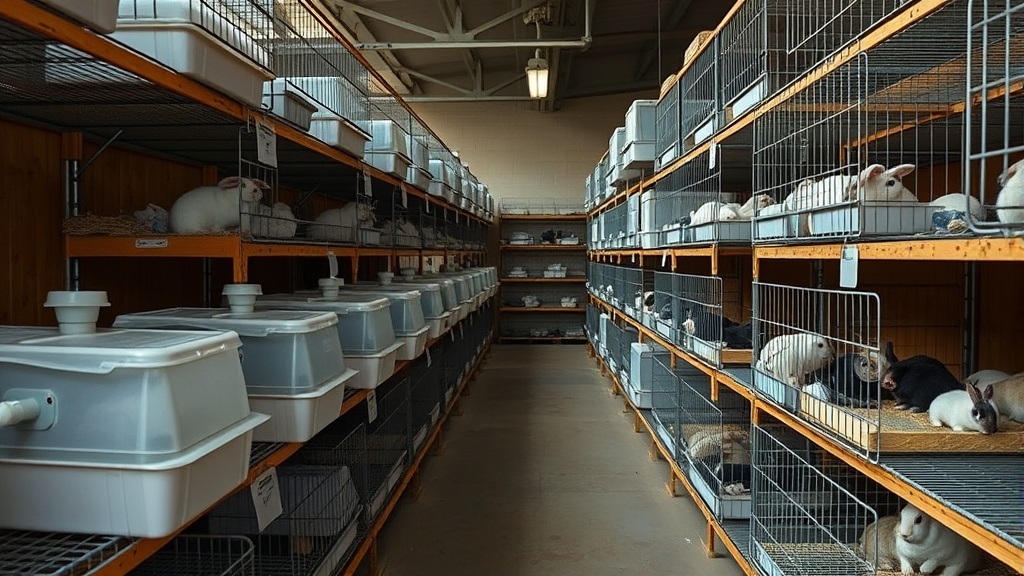
Indoor stacking cages vs colony pens for small-scale rabbitries each offer distinct benefits and challenges depending on space, management style, and rabbit welfare priorities. Choosing the right housing system is crucial for small-scale rabbitry owners aiming to balance efficiency, animal health, and ease of maintenance.
Key takeaways
- Indoor stacking cages maximize vertical space and simplify individual rabbit management but can limit natural behavior expression.
- Colony pens provide more room for social interactions and natural behaviors but require diligent monitoring for aggression and health issues.
- Cleaning and biosecurity tend to be easier with stacking cages, whereas colony pens need a more robust routine to maintain hygiene.
- The choice impacts feeding, breeding control, and overall animal welfare and should match the operator’s goals and capacity.
- Budget, available space, and future scalability play key roles in the decision between stacking cages and colony pens.
Indoor Stacking Cages: Design and Practicality
Indoor stacking cages consist of multiple tiered cages arranged vertically, typically constructed from wire mesh with solid floors or mesh bottoms depending on design. These cages are favored for maximizing limited floor space, allowing many rabbits to be housed efficiently indoors. Each cage usually contains one or two rabbits and includes food and water holders.
Advantages
- Space Efficiency: Vertical stacking uses minimal floor area, making it viable for small rooms or sheds.
- Individual Monitoring: Easier to track health, feeding, and breeding status on a per-rabbit basis.
- Simplified Cleaning: Cages can be cleaned or replaced individually; floors often designed to allow waste to fall through trays.
- Controlled Breeding: Separating rabbits minimizes accidental mating.
- Reduced Disease Spread: Individual housing limits close contact that can facilitate transmission.
Disadvantages
- Limited Space for Movement: Individual cages typically do not allow for extensive hopping or behavioral enrichment.
- Stress and Boredom Risks: Rabbits are social and active animals; small cages may impact mental well-being.
- More Equipment Needed: Requires multiple cages, trays, feeders, and water systems.
- Noise and Dust: Wire cages can increase noise levels and dust accumulation, demanding proper ventilation.
Colony Pens: More Natural, More Work
Colony pens are larger enclosures housing multiple rabbits together, indoors or semi-indoor, often with space for nesting, hopping, and social interactions. Colony pens mimic a natural setting where rabbits live communally, which can improve behavior but also creates management complexities.
Advantages
- Natural Behavior Encouragement: Increased room allows hopping, grooming, and social behaviors.
- Reduced Boredom: Socialization can lower stress and destructive behaviors.
- Lower Equipment Density: Fewer feeders and waterers needed versus individual cages.
- Potential Cost Savings: Can require fewer individual components than stacked cages.
Disadvantages
- Aggression and Fighting: Rabbits may establish hierarchies and fights can cause injury.
- Breeding Control Is Difficult: Males and females housed together increase risk of unwanted litters.
- Disease Transmission Risks: Close contact increases chance of spreading parasites, infections.
- Complex Cleaning Needs: Larger, mixed-use spaces require thorough regular cleaning and bedding changes.
- Difficult Individual Monitoring: Detecting illness or feeding issues is challenging without separating animals.
Space, Cost, and Management Considerations
Small-scale rabbitry operators need to carefully assess their available space, budget, and willingness to engage with daily husbandry tasks when choosing housing.
| Factor | Indoor Stacking Cages | Colony Pens |
|---|---|---|
| Space Efficiency | High; uses vertical space | Moderate to Low; needs more floor area |
| Animal Welfare | Moderate; limited natural behavior | High; promotes social interaction |
| Cleaning and Maintenance | Easier; spot cleaning per cage possible | More time-consuming, whole pen cleaning |
| Disease Control | Easier to isolate individuals | Higher risk due to close proximity |
| Breeding Management | Simplified; individual breeding control | Difficult; high risk of unintended breeding |
| Initial Investment | Higher due to multiple cages & equipment | Lower initial equipment cost |
| Monitoring Animals | Easier due to individual cages | Harder to detect individual issues |
| Noise/Dust | Higher; wire cages conduct noise and dust | Generally quieter if well-bedded |
Welfare Implications and Behavioral Needs
Rabbit welfare is a growing concern among small-scale breeders. Rabbits are social animals that thrive with space to move and companionship but also require safe, quiet resting areas.
- Stacking Cages: Often criticized for restricting natural movement and socialization, potentially leading to stress, stereotypic behaviors, and health problems such as sore hocks.
- Colony Pens: Better support natural behaviors including play and social grooming but require experienced management to reduce aggression and injury.
Ensuring sufficient enrichment like chew blocks, hiding areas, and varied flooring can mitigate welfare problems in both systems.
Maintenance, Cleaning, and Biosecurity
Effective cleaning routines and biosecurity measures are vital to prevent disease outbreaks.
- Cleaning Stacking Cages: Daily or every-other-day waste removal from trays under mesh floors; weekly full cage sanitation; replacing bedding and feeding containers.
- Colony Pens: More labor-intensive: removal of used bedding, cleaning of entire floors, and disinfection; managing wet spots and fecal accumulation.
- Biosecurity: Individual cages facilitate quarantine and isolation easily, while colony pens require more vigilance to monitor health status and separate affected animals.
Choosing Based on Rabbitry Goals
The decision between indoor stacking cages and colony pens depends heavily on what the rabbitry aims to achieve.
- Meat Production or Research: Stacking cages offer controlled breeding, easy management, and health monitoring preferred for consistent output.
- Pet Breeding or Hobby: Colony pens appeal due to welfare benefits and natural rabbit behaviors.
- Space-Constrained Settings: Stacking cages maximize limited indoor space.
- Educational or Small Family Farms: Colony pens foster interaction and minimize equipment needs.
Selecting the right system involves aligning rabbit welfare with practical management capabilities.
FAQ
What size should indoor stacking cages be for rabbits?
Cage size varies by rabbit breed but generally should allow the rabbit to fully stretch out, stand on hind legs, and move around. For small to medium breeds, cages typically measure about 24” x 36” with at least 12” height, though bigger is better.
Can colony pens prevent rabbit fighting?
While colony pens encourage socialization, aggression can occur, especially among bucks or overcrowded groups. Providing hiding spots, sufficient space, and compatible groups helps reduce fights but monitoring is essential.
How often should I clean rabbit stacking cages and colony pens?
Stacking cages should have daily spot-cleaning with full cleaning weekly to maintain hygiene. Colony pens require more frequent bedding removal and deep cleaning every few days to prevent ammonia buildup and disease.
Are stacking cages better for preventing disease?
Individual housing in stacking cages reduces direct contact among rabbits, limiting disease spread. However, good ventilation, cleaning, and quarantining sick rabbits are critical regardless of housing type.
How do feeding and watering differ between these housing types?
Stacking cages require individual feeders and water bottles per cage, increasing equipment needs. Colony pens rely on shared feed and water stations but risk competition; multiple stations help ensure all rabbits access food and water.
Making a measured choice between indoor stacking cages and colony pens aligns your rabbitry practices with your space, budget, and commitment to animal welfare. Both systems are valid for small-scale operations with proper management tailored to their unique demands.