Nesting boxes sized for New Zealand and Californian breeds
What should you know before buying Nesting boxes sized for New Zealand and Californian breeds?
Before buying, use this page as a shortlist and verify the final details on Amazon. Prioritize fit, current price, stock, seller, return window, warranty, and recent buyer feedback over one headline rating. That final check helps avoid stale prices, mismatched variants, and avoidable returns.

By Clara Hutch · Staff Writer
Published June 1, 2026
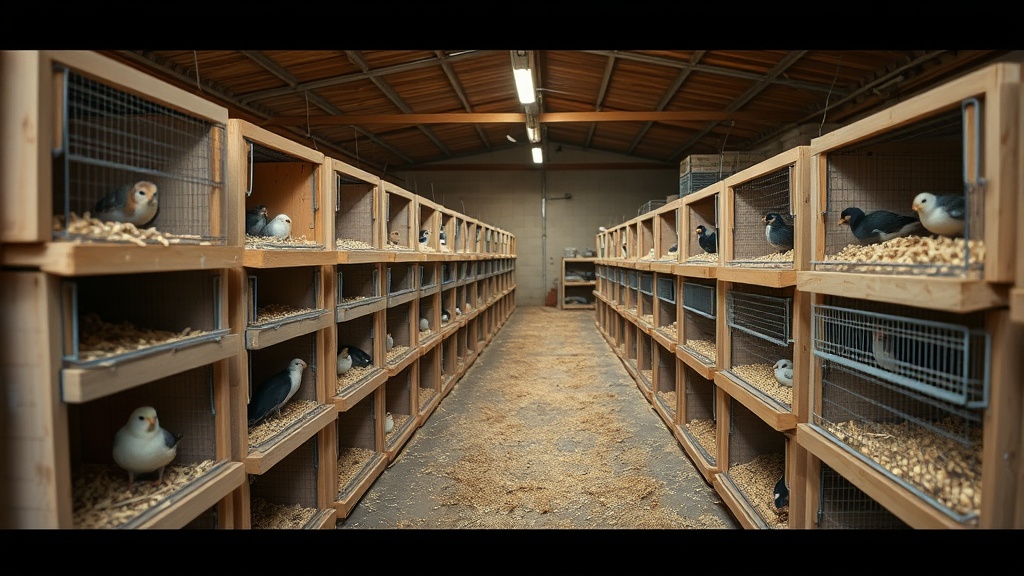
Nesting boxes sized for New Zealand and Californian breeds require careful consideration of breed size and behavior to ensure hens are comfortable and laying efficiently. Choosing the right dimensions helps reduce stress, egg breakage, and encourages hens to use the boxes consistently, which is crucial for both backyard and commercial keepers.
Key takeaways
- New Zealand and Californian rabbit breeds differ in size, so nesting boxes must reflect these variations for optimal comfort.
- Adequate nesting box size encourages proper nesting behavior, leading to healthier litters and fewer nesting problems.
- Durable, easy-to-clean materials and designs improve maintenance and hygiene.
- Customizable nesting boxes or adjustable-size options can accommodate growing does or different breed stages.
- Proper ventilation and insulation in nesting boxes contribute to rabbit welfare in varying climates.
Understanding the Size Differences Between New Zealand and Californian Breeds
New Zealand rabbits and Californian rabbits are among the most popular meat and show breeds worldwide due to their size, temperament, and productivity. However, although their general body conformation is similar, some size differences affect nesting requirements.
New Zealand Rabbits
- Typically weigh 10–12 pounds (4.5–5.4 kg) as adults.
- Slightly larger frame with a broader chest and deeper body.
- Nesting boxes ideally accommodate these dimensions to avoid crowding.
Californian Rabbits
- Average weight ranges from 8–10 pounds (3.6–4.5 kg).
- Slightly more compact with a leaner frame.
- Often require a marginally smaller box, but comfort should not be compromised.
Since New Zealand rabbits are generally larger, nesting boxes sized merely for Californian rabbits may restrict movement or cause injury during nesting and kindling.
Ideal Nesting Box Dimensions for Both Breeds
A nesting box must offer enough room for the doe to turn around, arrange fur and hay comfortably, and allow kits some space once born. Below are recommended dimensions based on breed average sizes and expert breeder guidelines:
| Breed | Length | Width | Height | Notes |
|---|---|---|---|---|
| New Zealand | 24 inches (61 cm) | 18 inches (46 cm) | 12 inches (30 cm) | Allows ample room for large does |
| Californian | 22 inches (56 cm) | 16 inches (41 cm) | 11 inches (28 cm) | Fits slightly smaller frame but check doe size |
| Adjustable/Universal | 22–24 inches (56–61 cm) | 16–18 inches (41–46 cm) | 11–12 inches (28–30 cm) | Adjustable panels to suit both breeds |
Depth and Height Matters
The height should be sufficient to prevent kits from climbing out prematurely but low enough for easy doe access. Typical nesting boxes use hinged or drop-down doors to facilitate inspection and cleaning.
Material and Construction Considerations for Nesting Boxes
Durability and ease of cleaning are critical when selecting or building nesting boxes. Both New Zealand and Californian does tend to be moderately active, meaning boxes should withstand some wear without becoming damaged.
- Wood: A traditional choice offering good insulation, but prone to moisture and bacterial buildup if untreated. Use sealed or painted wood and avoid sharp edges.
- Plastic: Easy to clean and lightweight but may provide less insulation in cooler climates.
- Metal: Not common for full boxes but can be used for framing or protective mesh.
- DIY options: Many breeders build wooden boxes sized specifically for their does, providing opportunity to customize ventilation, access doors, and insulation.
Placement and Nesting Box Environment
Besides size and material, where and how nesting boxes are located influences doe comfort and litter success.
- Location: Position in quiet, draft-free areas to reduce doe stress.
- Bedding: Use soft hay and fur for lining; avoid excessive moisture accumulation.
- Ventilation: Ensure some airflow without direct drafts to keep kits healthy.
- Security: Enclosed or covered boxes protect against predators or excessive interference.
For both New Zealand and Californian breeds, insulate nesting boxes during colder months as kits are vulnerable to temperature fluctuations.
Customizing Nesting Boxes for Different Life Stages
From breeding to kindling and nursing, nesting box needs change as kits grow. Adds flexibility in box design:
- Removable or adjustable side panels allow resizing inside the box.
- Slide-in dividers or partitions help protect kits as they begin exploring.
- Additional nesting material storage on or near the box streamlines care.
Both New Zealand and Californian breeders benefit from adaptable boxes that meet evolving needs without immediate replacement.
Comparing Key Nesting Box Dimensions and Features for New Zealand and Californian Rabbits
| Feature | New Zealand Rabbit Box | Californian Rabbit Box | Notes |
|---|---|---|---|
| Recommended Length | 24 in (61 cm) | 22 in (56 cm) | Larger length for bigger breed |
| Recommended Width | 18 in (46 cm) | 16 in (41 cm) | Adjusts for doe body width |
| Recommended Height | 12 in (30 cm) | 11 in (28 cm) | To prevent escapes but allow access |
| Material Preference | Sealed wood or durable plastic | Same | Consider environment and cleaning ease |
| Ventilation | Moderate, draft-free | Same | Balance airflow with warmth |
| Adjustment Features | Recommended for growing stages | Recommended for growing stages | Useful for breeders with mixed breeds |
| Insulation Needed | High in cooler climates | High in cooler climates | Kits cannot regulate temperature well |
FAQ
How do I know if my nesting box is the right size for my New Zealand or Californian doe?
Measure your doe while she’s standing squarely and add a few inches to length and width for turning space. The doe should be able to enter easily and arrange nesting material without cramping.
Can I use one nesting box size for both New Zealand and Californian rabbits?
Yes, but choose a size on the larger end to accommodate New Zealand’s bigger frame. Alternatively, use adjustable boxes or panels to customize space as needed.
What materials are best for rabbit nesting boxes exposed to humid climates?
Sealed or painted wood and heavy-duty plastic are best because they resist moisture and mold. Avoid untreated wood or porous materials that trap dampness.
How often should nesting boxes be cleaned during the kindling period?
Clean the nesting box before kindling and leave the doe undisturbed for the first few days after birth. After the initial period, clean gently every few days or as needed, avoiding disruption.
Do New Zealand and Californian rabbits prefer enclosed or open nesting boxes?
They generally prefer partially enclosed boxes offering privacy and security while allowing ventilation. Fully enclosed boxes might restrict airflow and cause overheating, particularly in warm climates.
Selecting or building nesting boxes tailored to the size and needs of New Zealand and Californian rabbits supports doe welfare and optimized breeding outcomes. Measuring does accurately, choosing durable materials, and maintaining good nesting environments help produce healthy, thriving litters every season.